Free Engineering MCQs Quiz Hub
18 subjects covering 225 categories : electrical, mechanical, computer science, cybersecurity and many more. Answer each question and see instantly whether you got it right, with a full score once you finish.
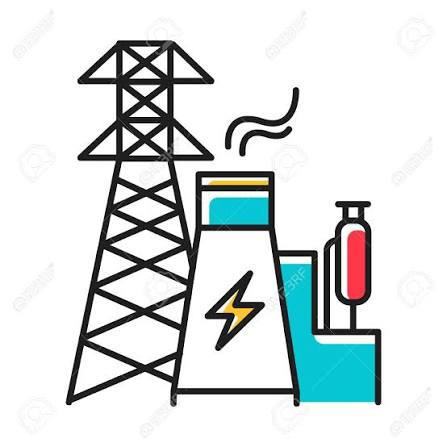
PSEPower System Engineering
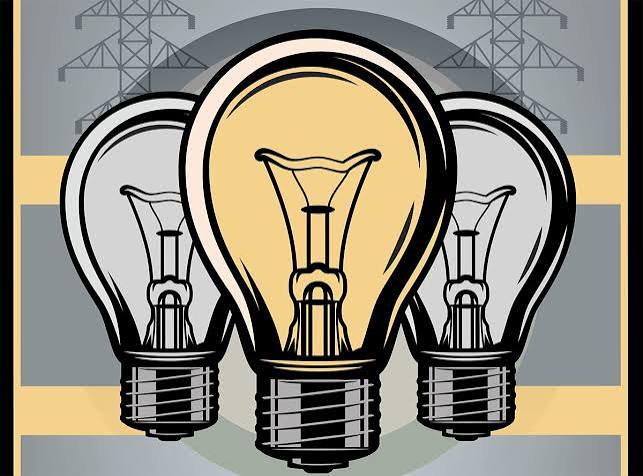
Power system engineering is a specialized branch of electrical engineering that focuses on the generation, transmission, and distribution of electricity. It designs and manages the infrastructure that safely and efficiently delivers power from power plants to homes and industries.
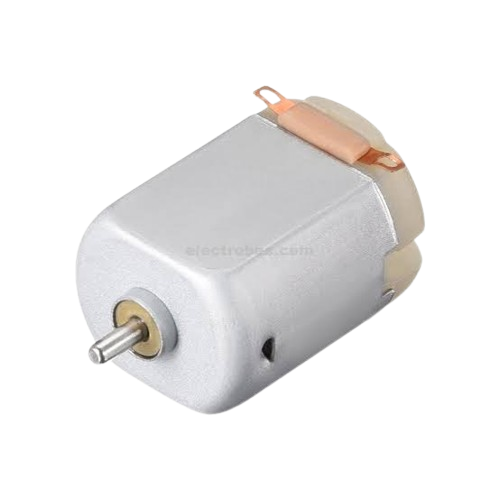
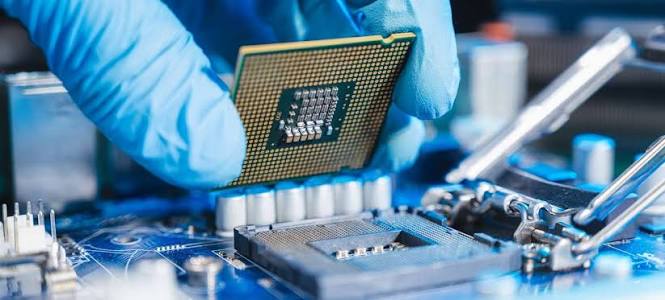
PEsPower Electronics
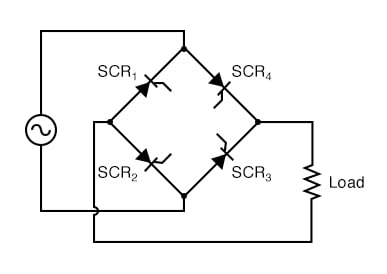
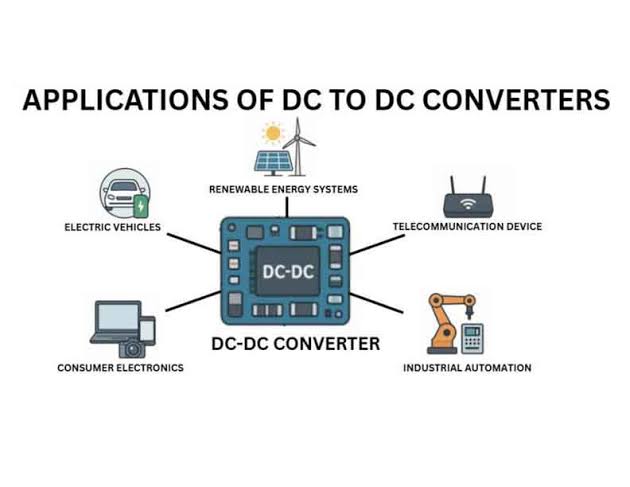
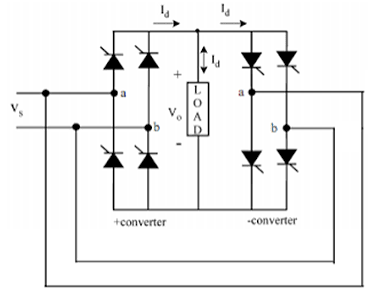
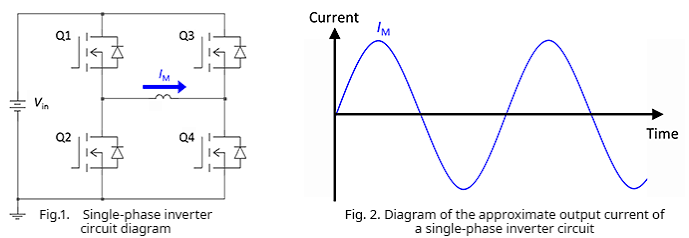
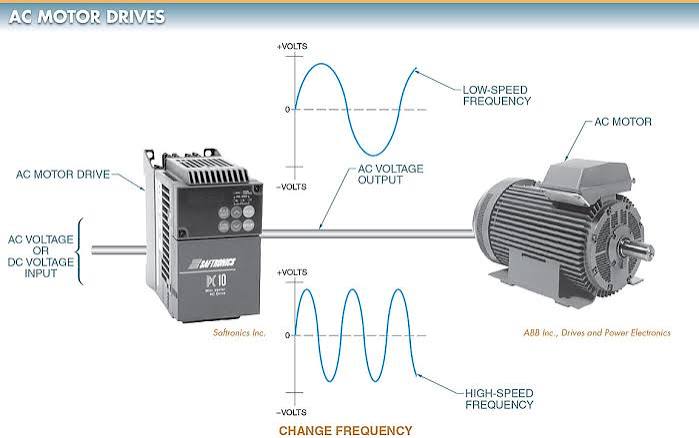
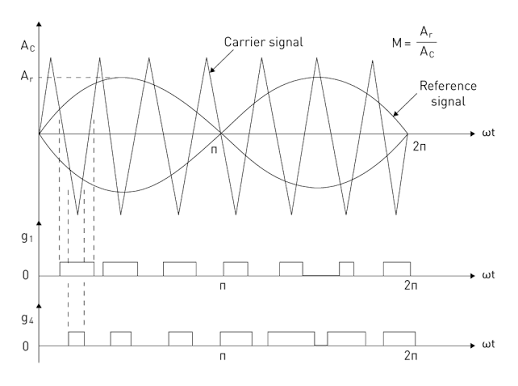
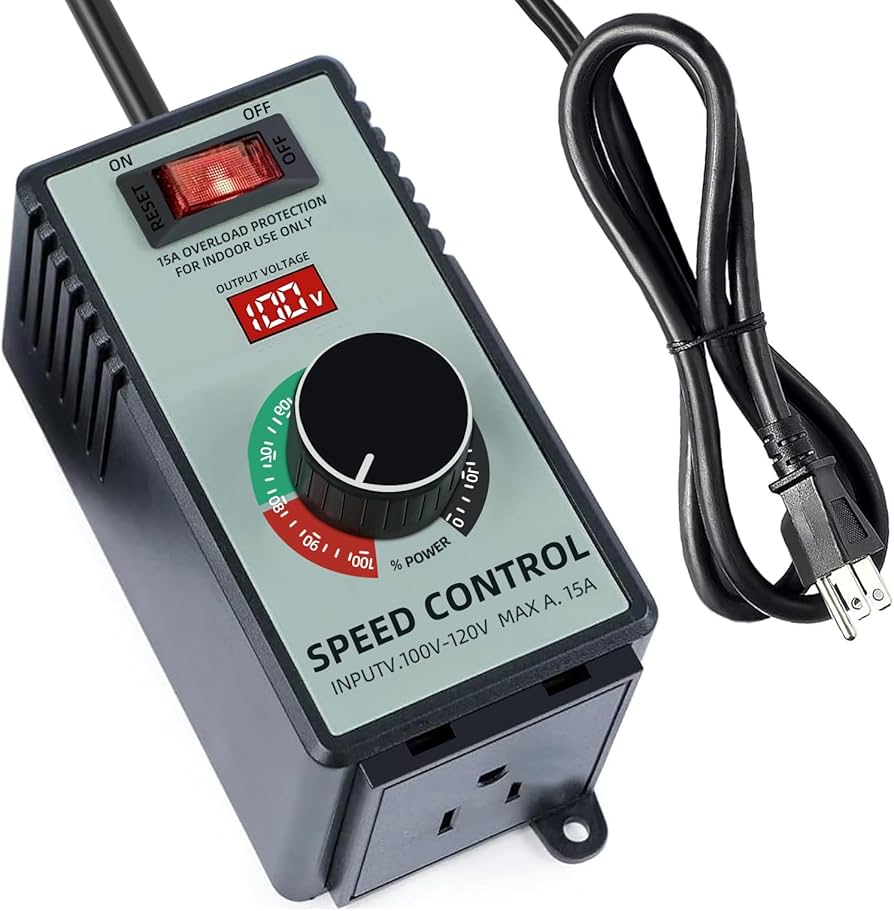
Power electronics is a branch of electrical engineering focused on the conversion, control, and conditioning of high-voltage, high-current electrical energy.
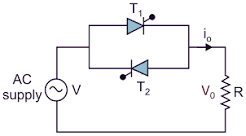

CSControl Systems
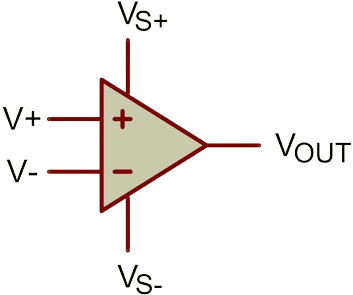
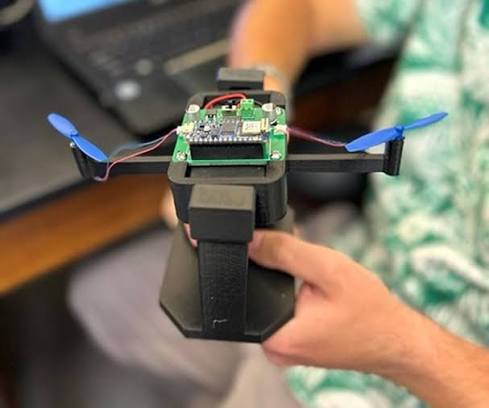
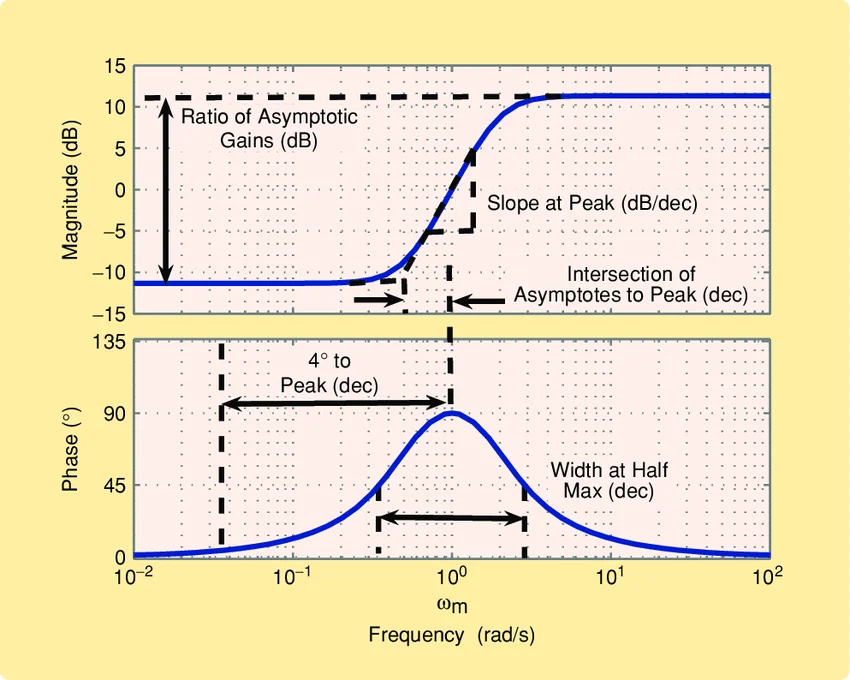
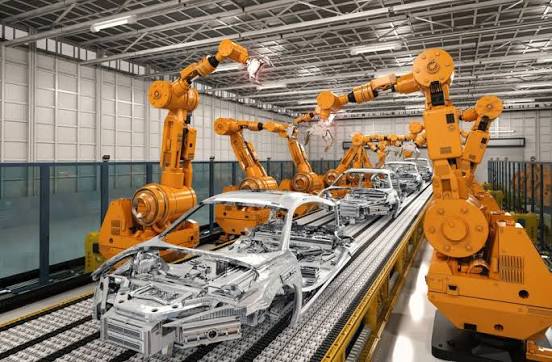
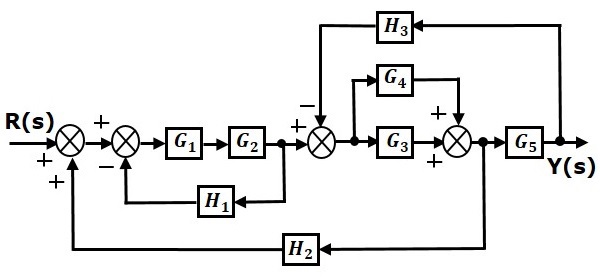
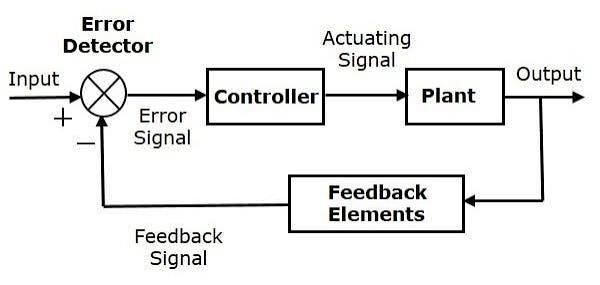
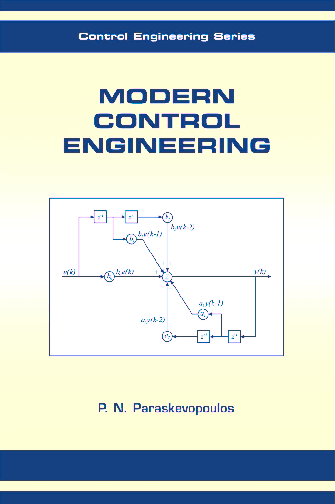
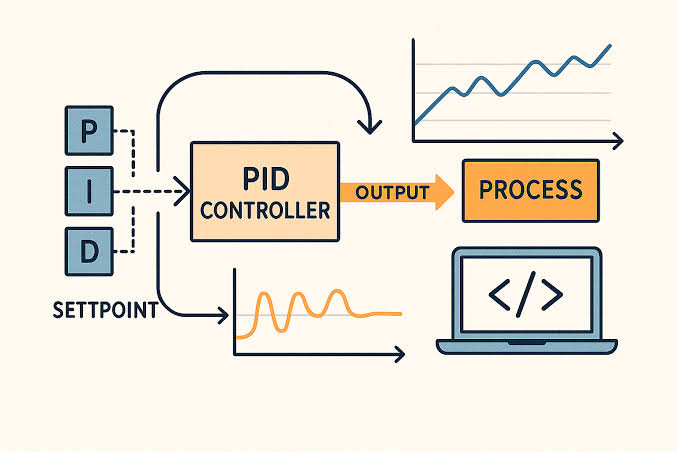
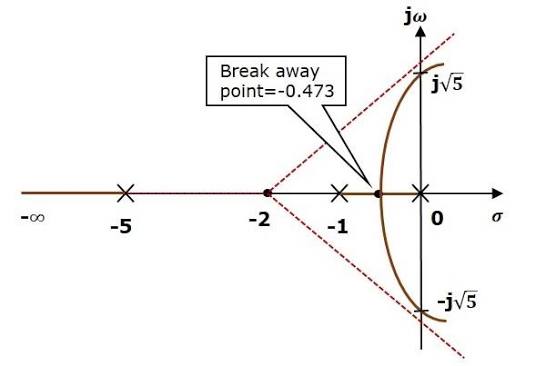
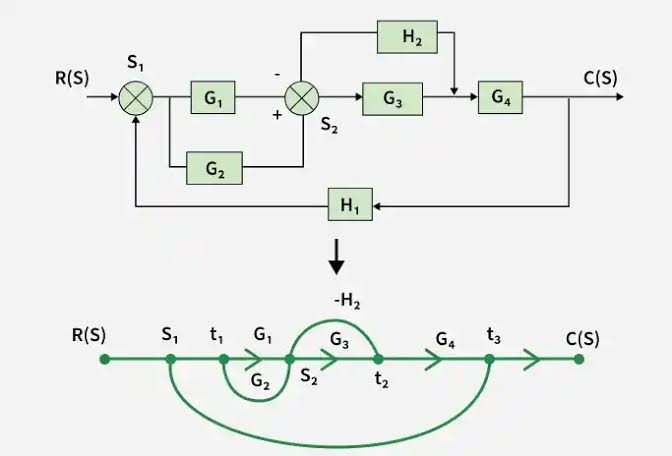
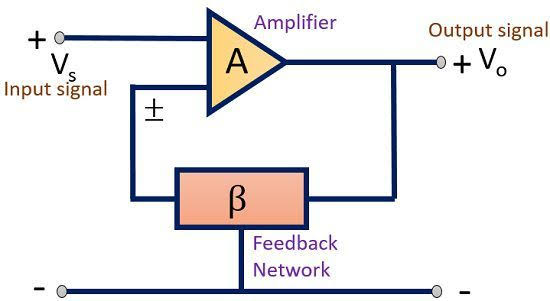
A control system is a system of devices or algorithms that manages, commands, directs, or regulates the behavior of other systems using control loops. They act as the "decision-making layer" in modern technology to ensure machinery and processes operate safely, efficiently, and predictably.
LCALinear Circuit Analysis
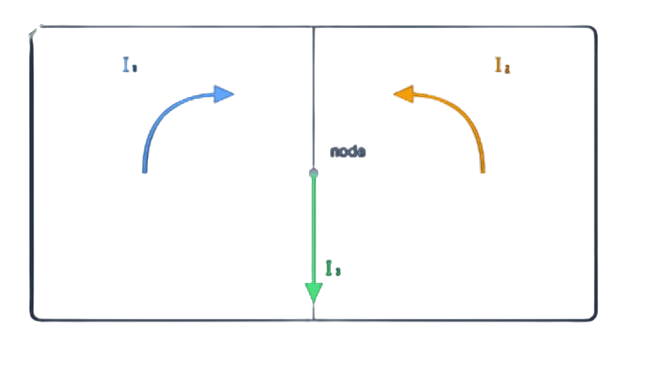
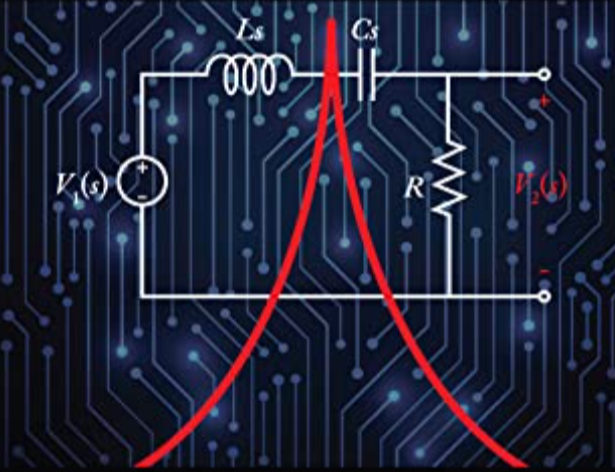
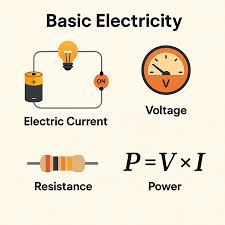
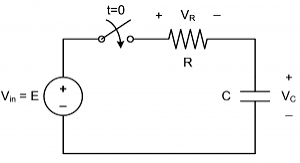
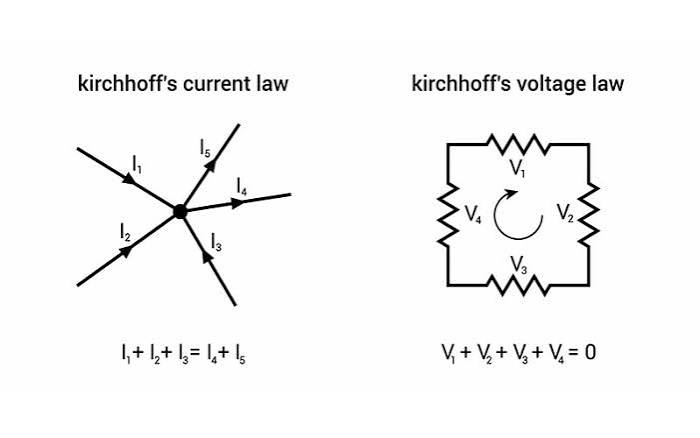
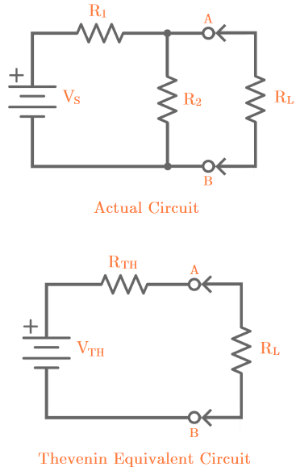
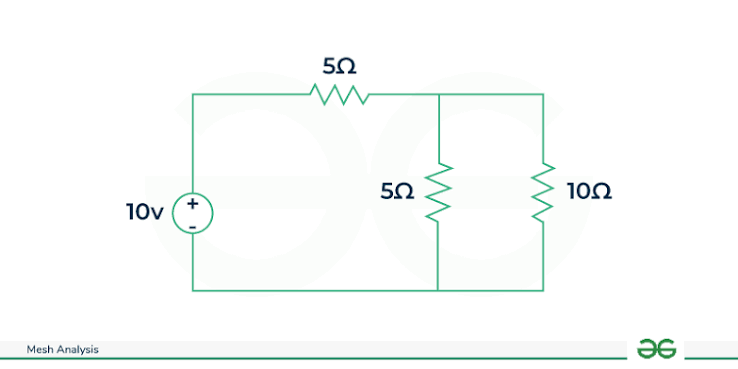
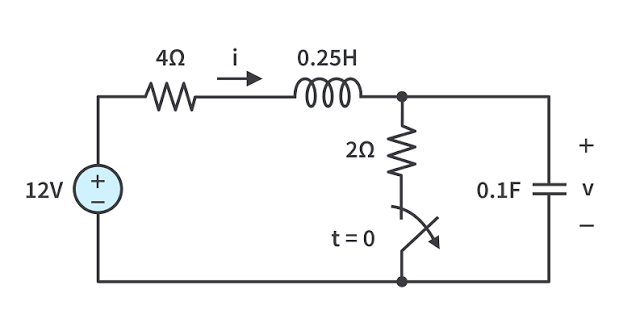
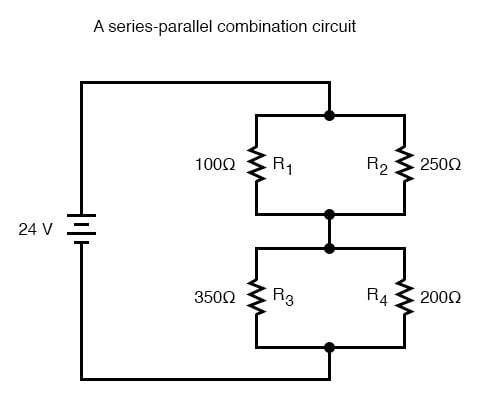
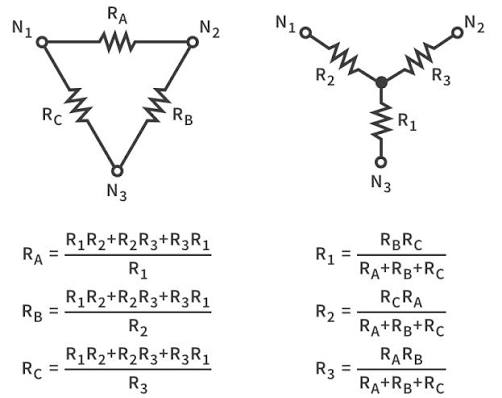
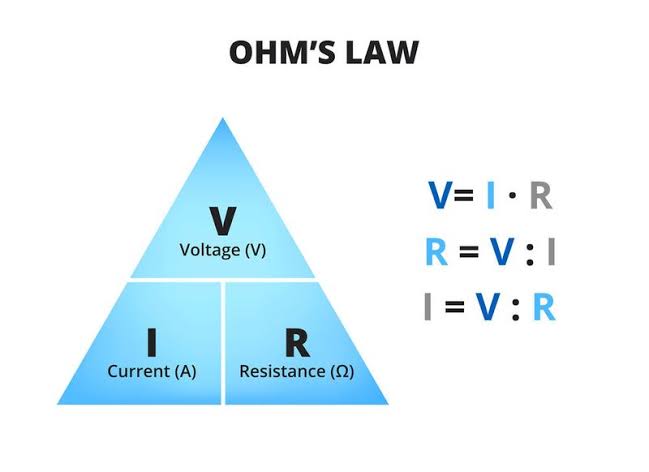
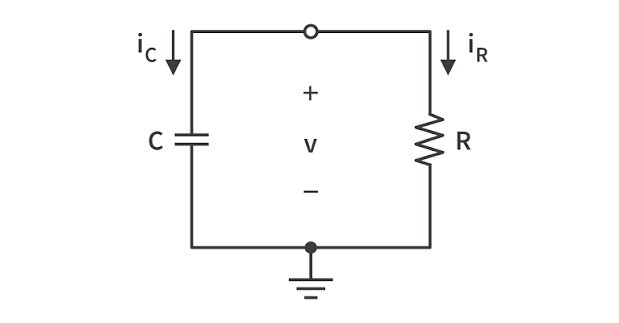
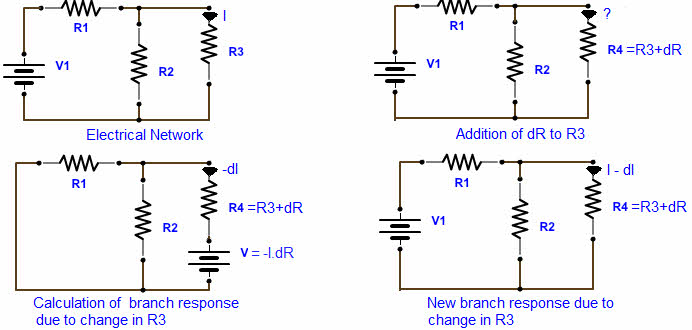
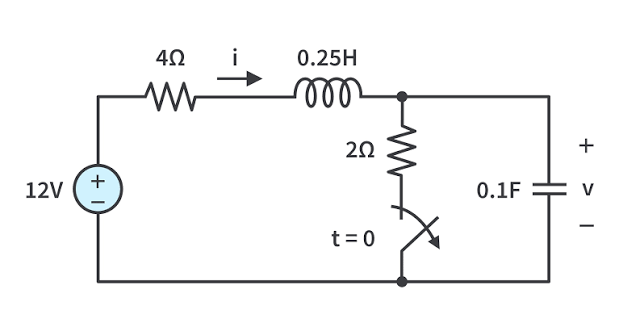
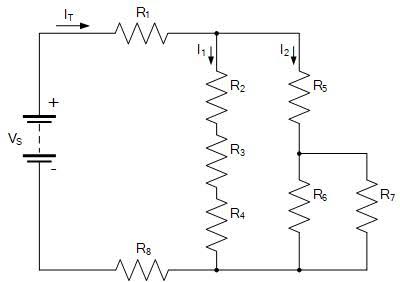
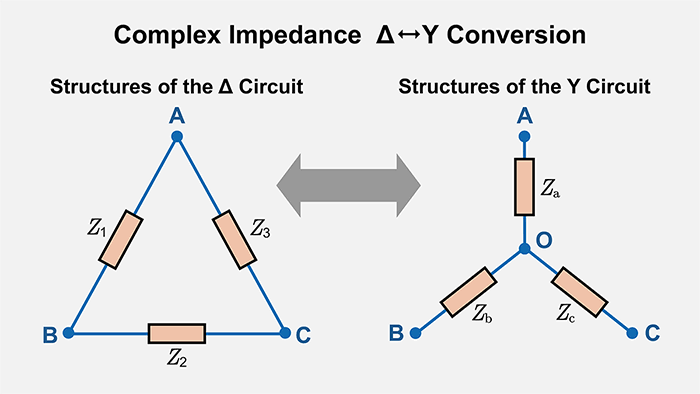
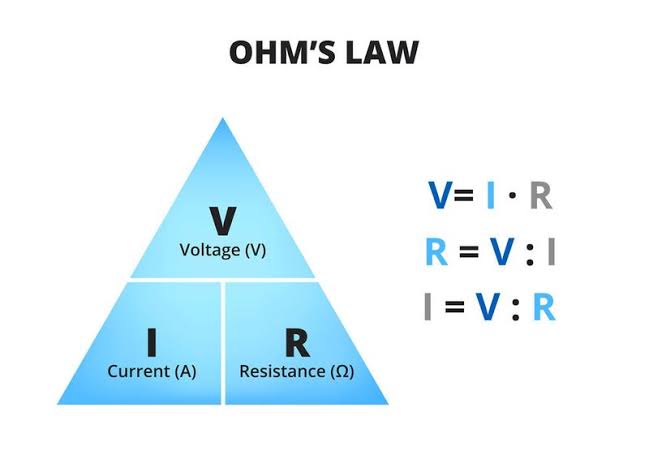
Linear circuit analysis is the foundational process of determining the voltages across and currents through components in a electrical circuit where the output changes proportionally with the input.
EDCElectronic Devices & Circuits
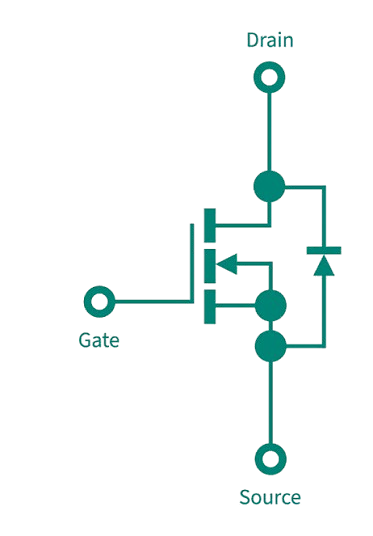
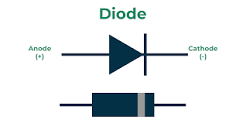
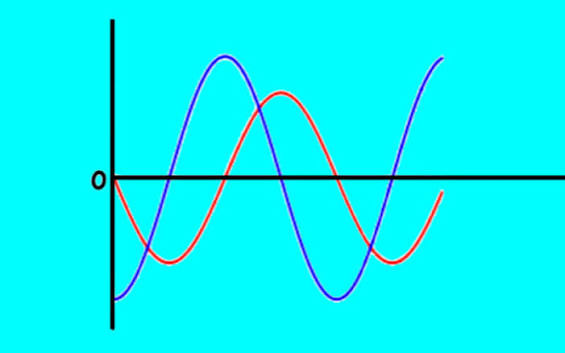
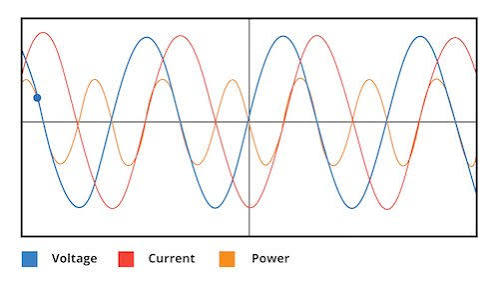
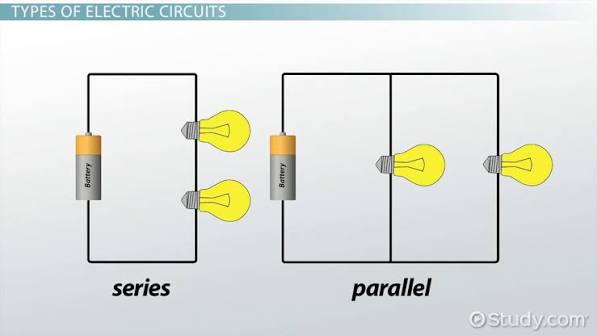
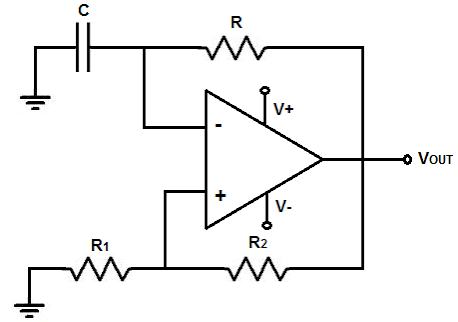
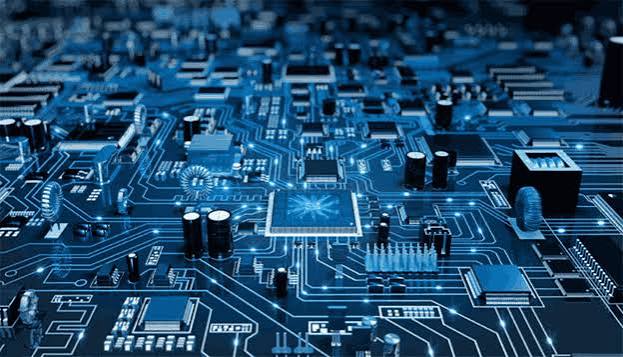
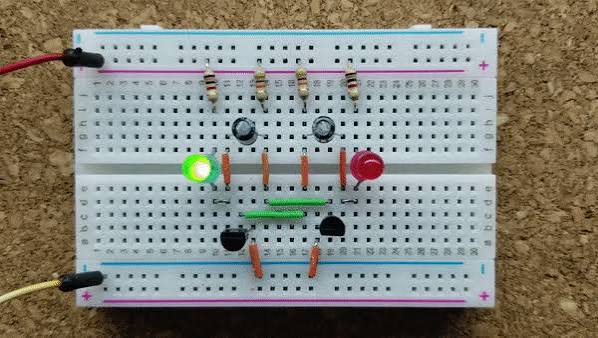
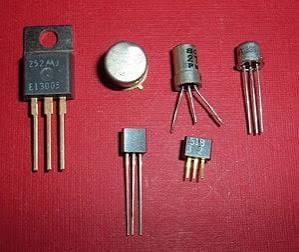
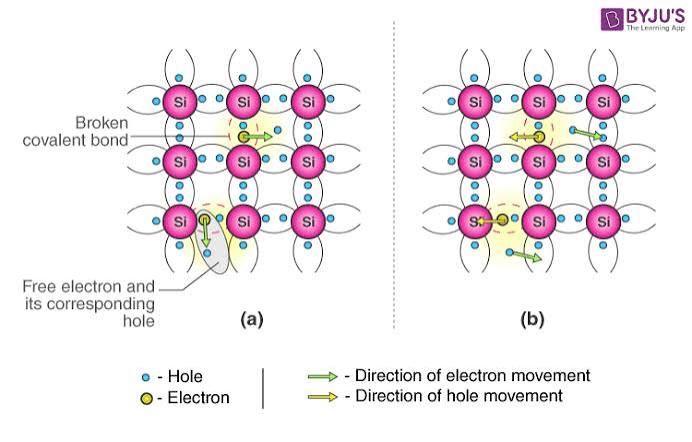
Electronic devices and circuits form the backbone of modern technology, encompassing the study, design, and application of semiconductor materials to control electron flow.
DLDDigital Logic Design
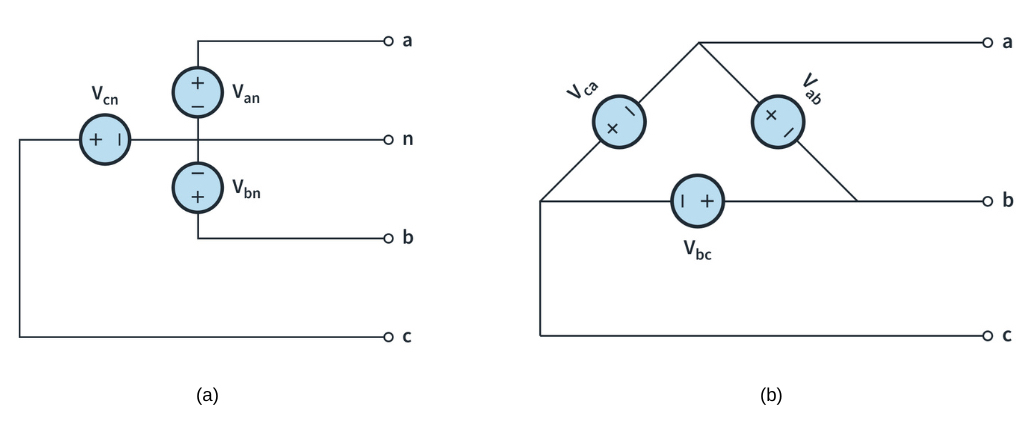
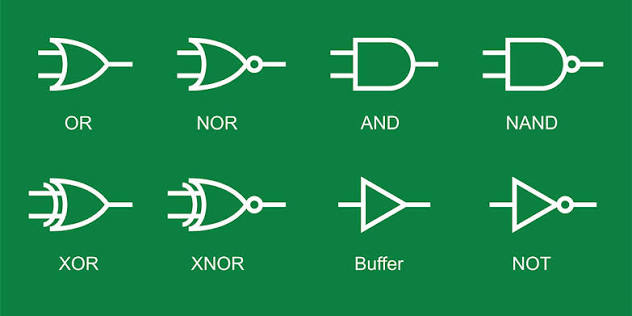
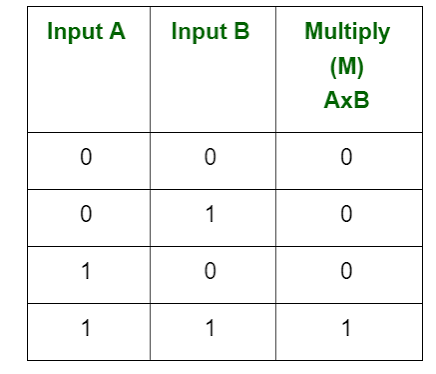
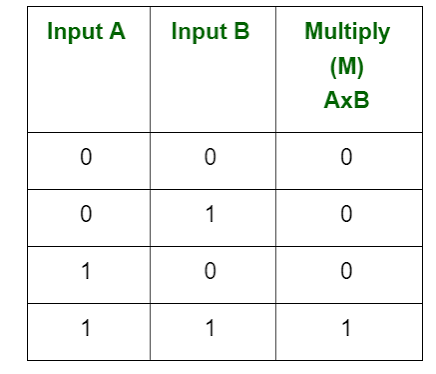
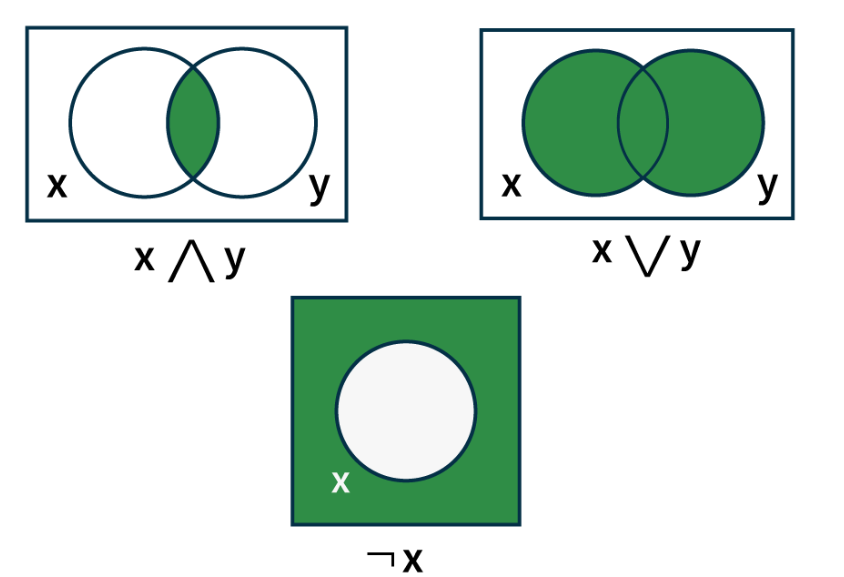
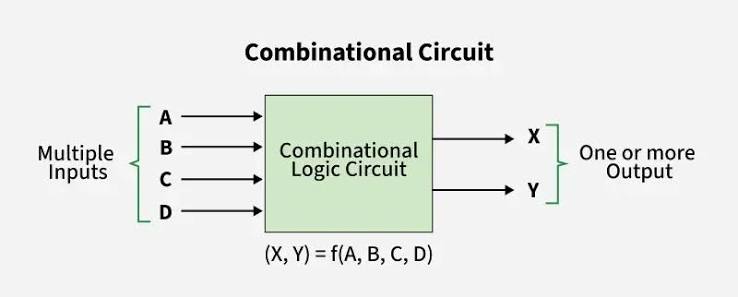
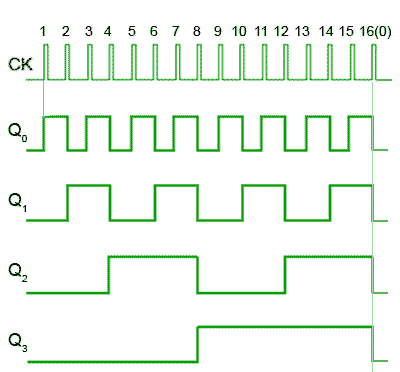
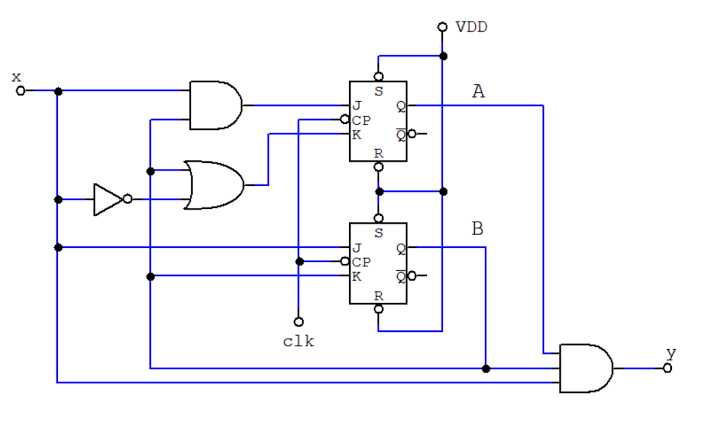
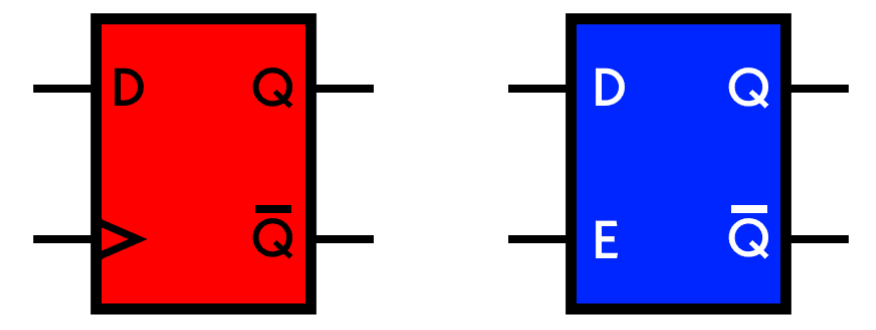
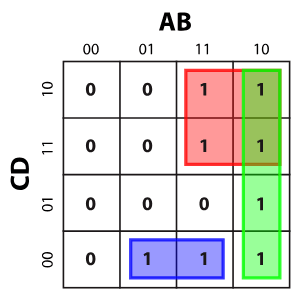
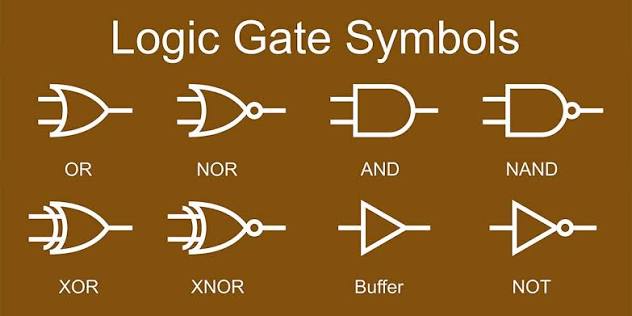
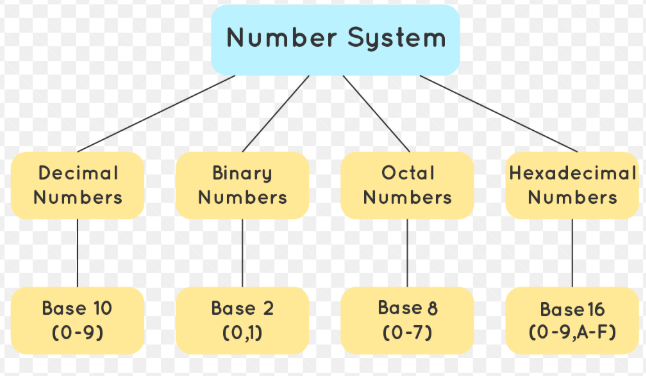
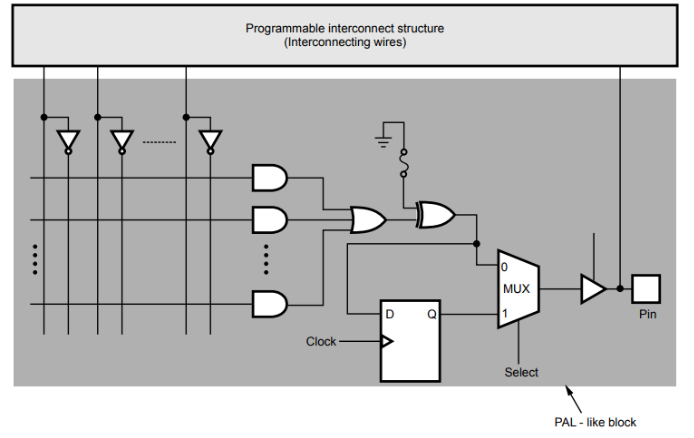
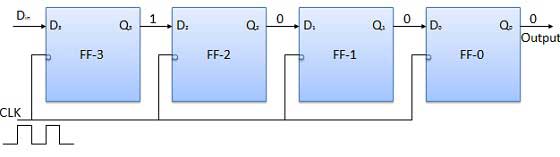
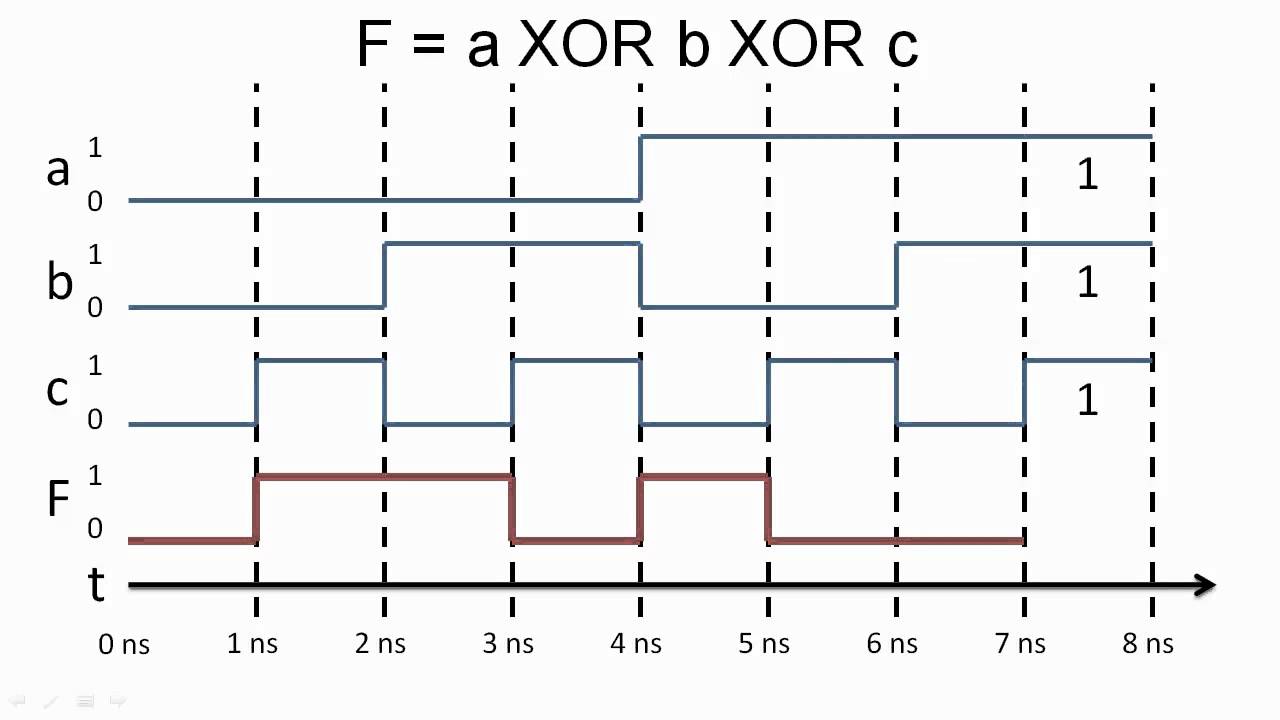
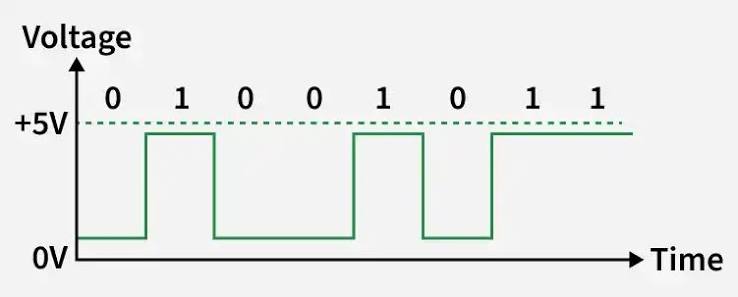
Digital logic design is the foundation of modern computing and electronics, focusing on creating binary circuits that process and store information using 0s and 1s. It relies on Boolean algebra and logic gates (AND, OR, NOT) to build complex systems like microprocessors and circuit boards.
SNSSignals & Systems
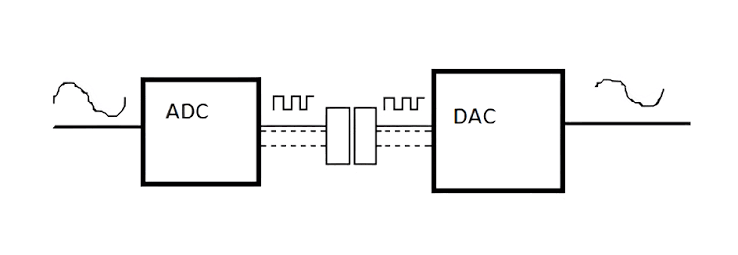
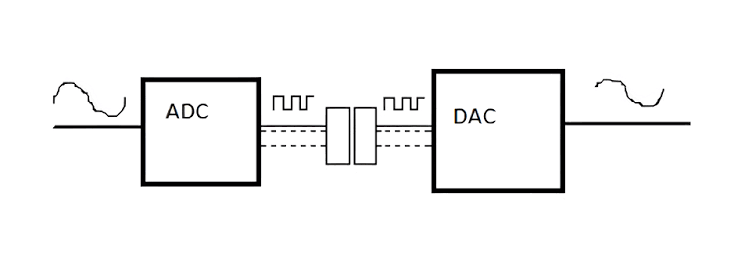
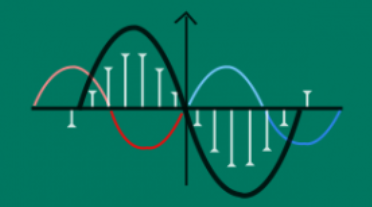
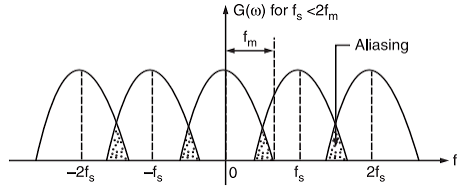
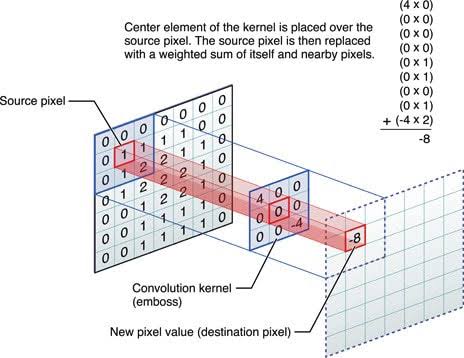
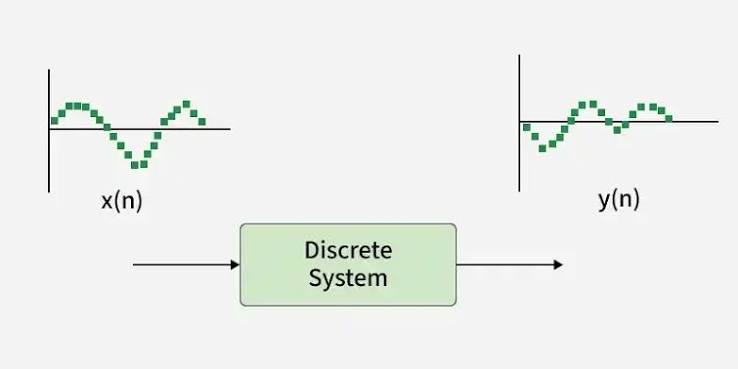
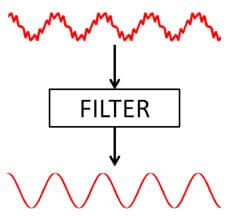
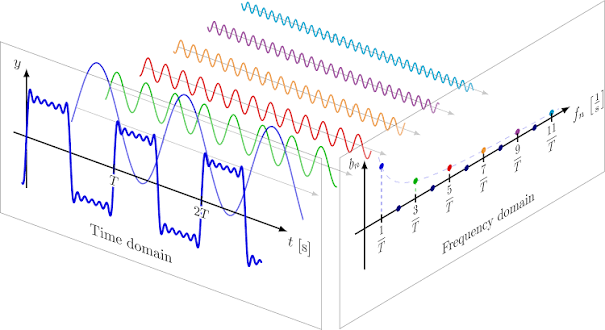
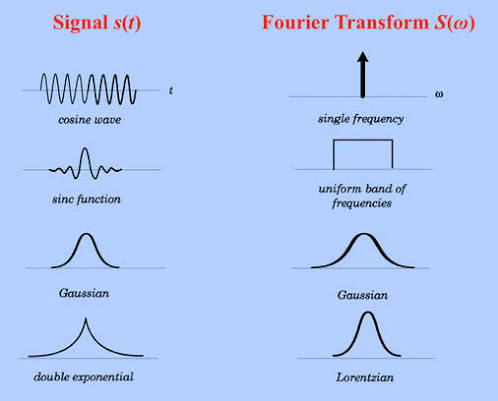
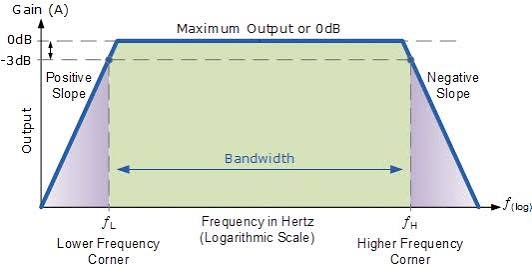
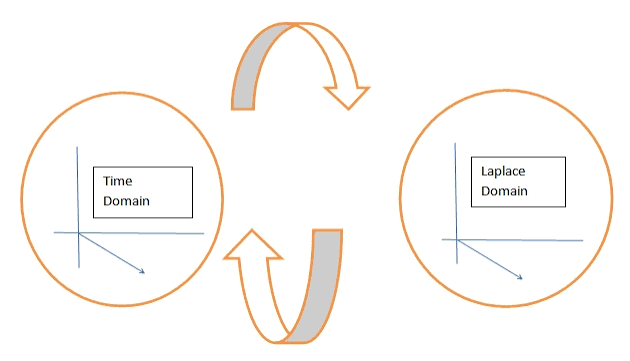
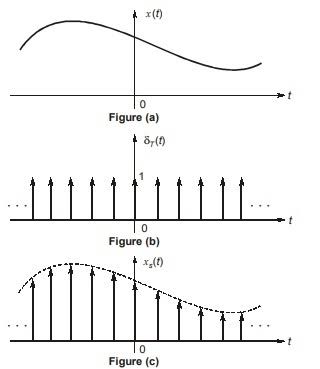
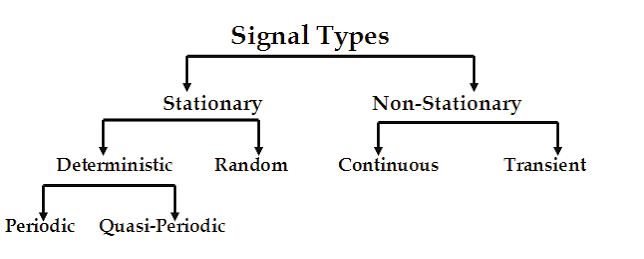
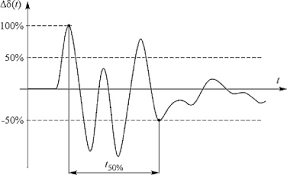
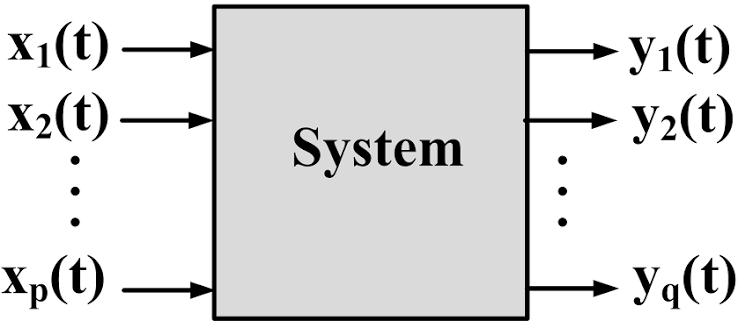
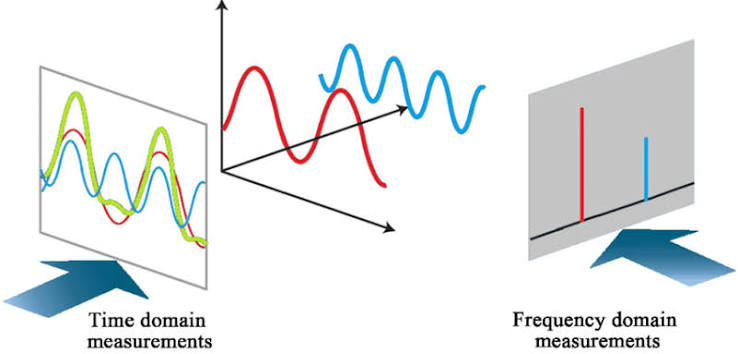
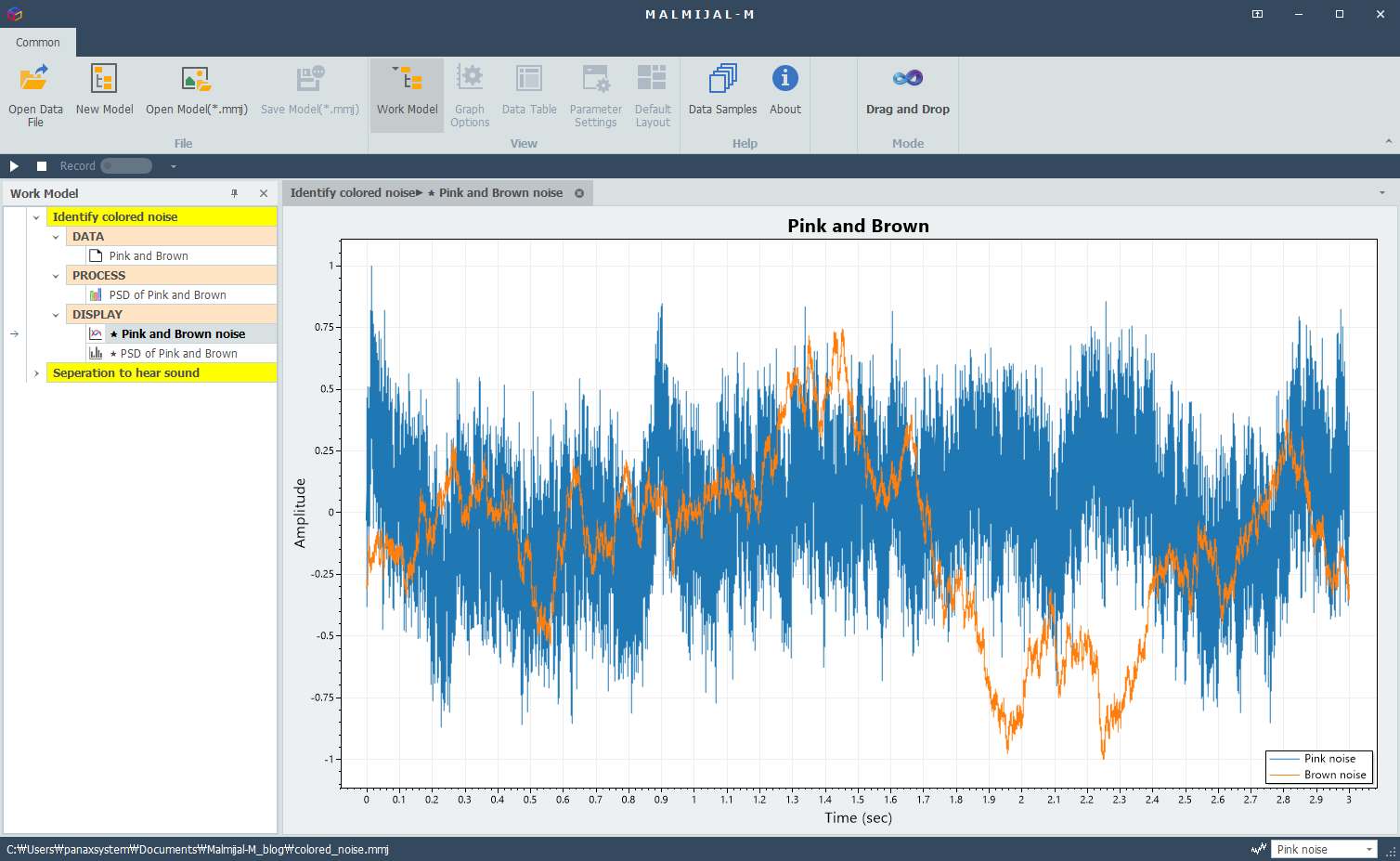
Signals and Systems is the foundational engineering discipline that studies how information—represented by signals such as audio, voltage, or radio waves is processed, filtered, and transformed by physical or algorithmic processes (systems).
EMElectrical Machines
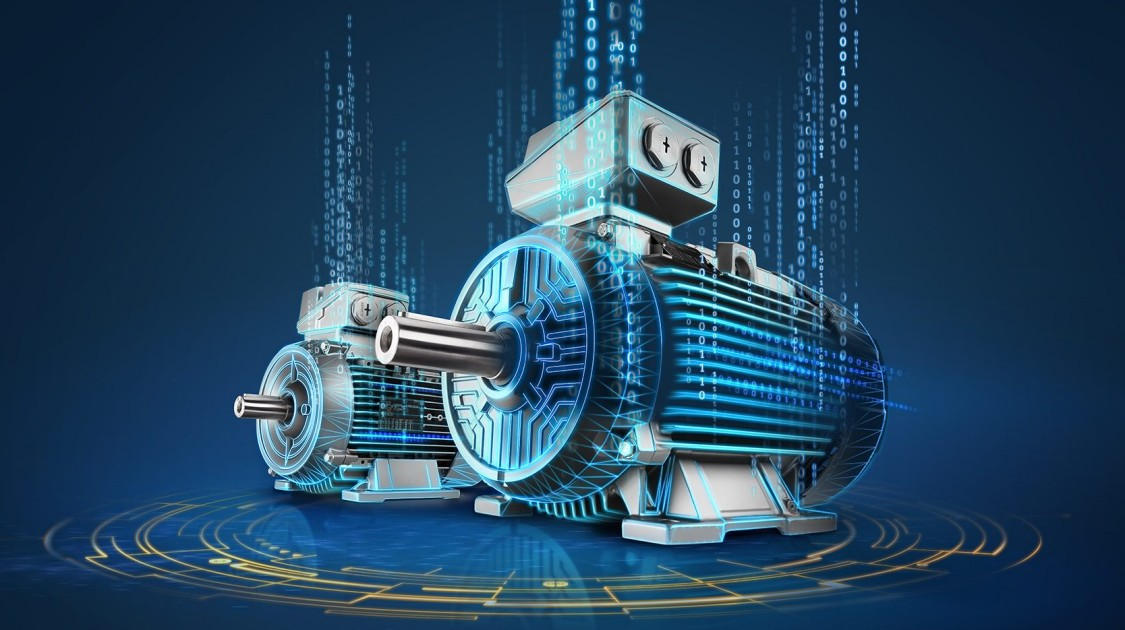
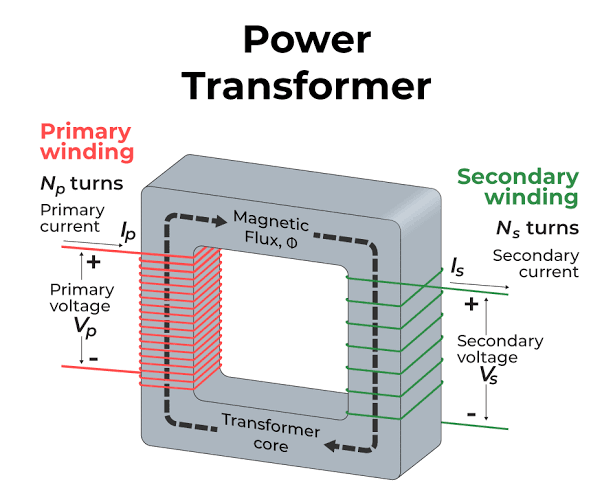
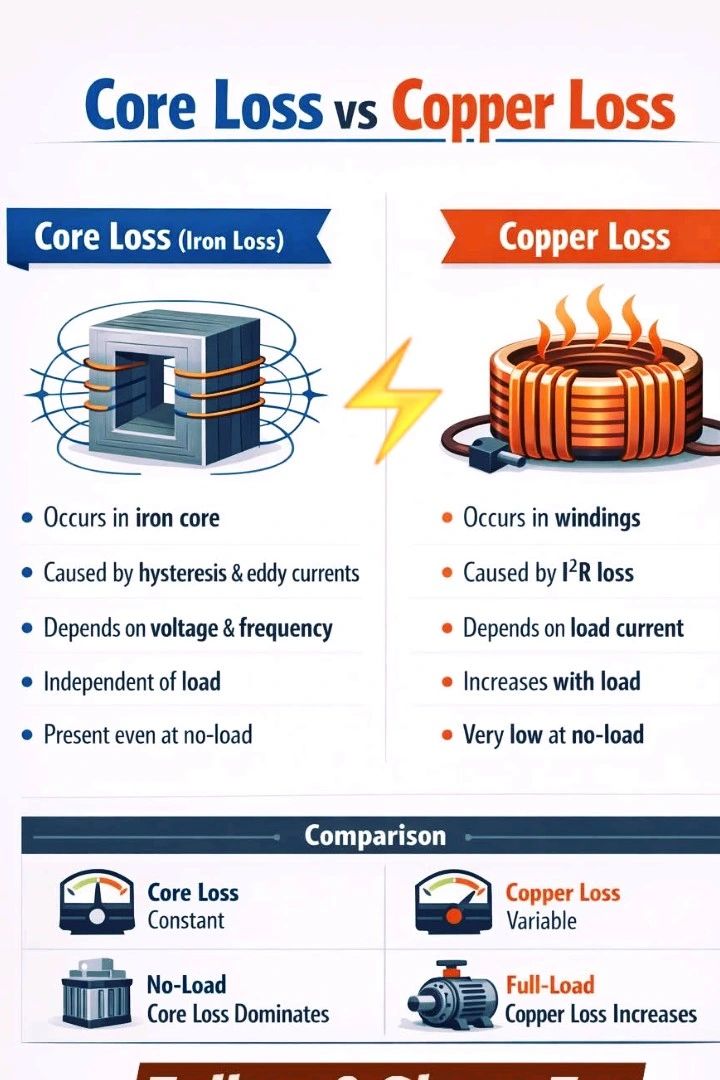
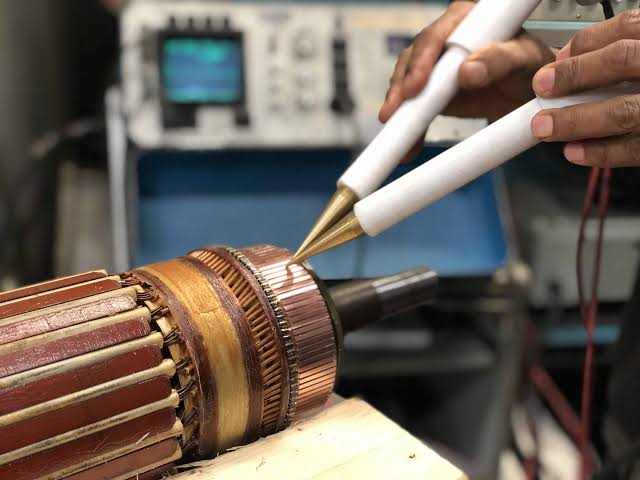
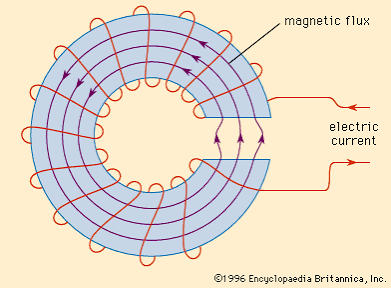
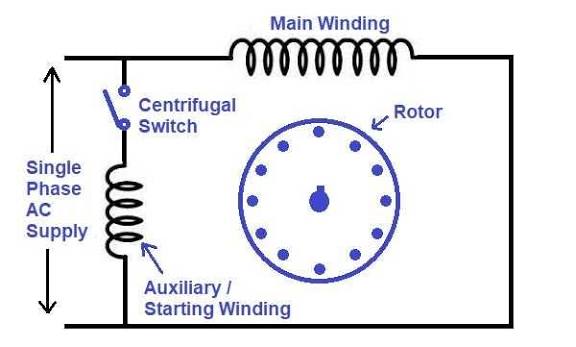
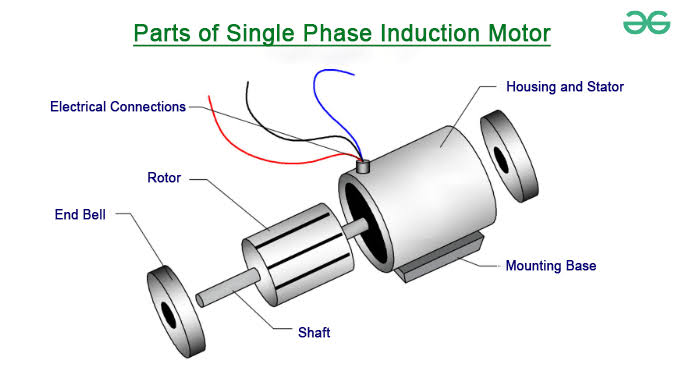
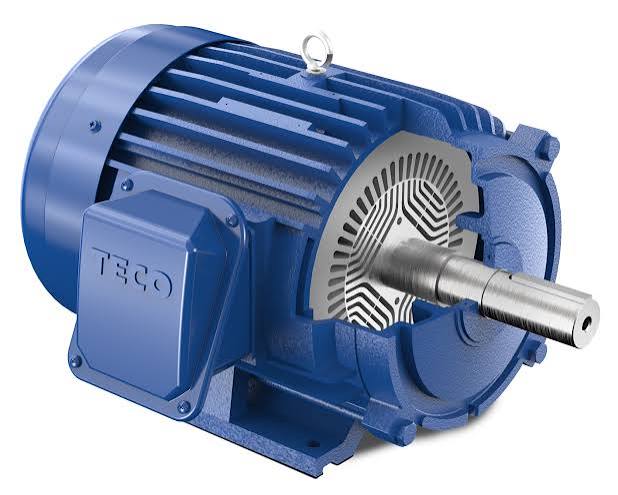
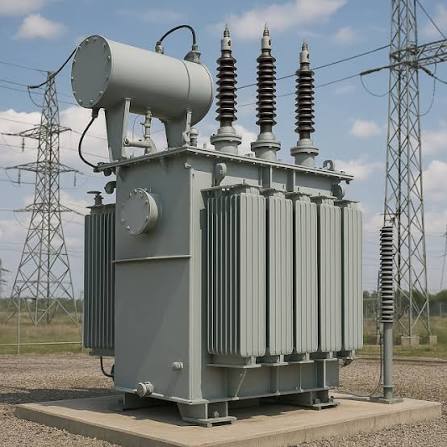
Electric machines are electromechanical devices that convert energy from one form to another, primarily relying on principles of electromagnetism. They are divided into three main categories

PSPower Systems
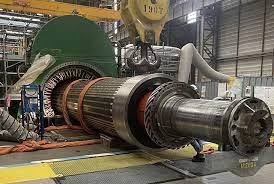
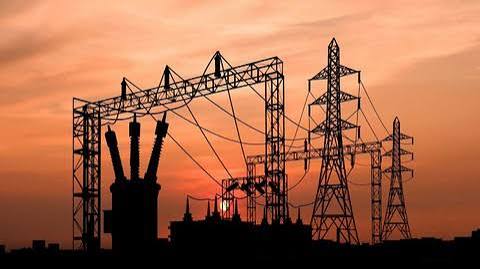
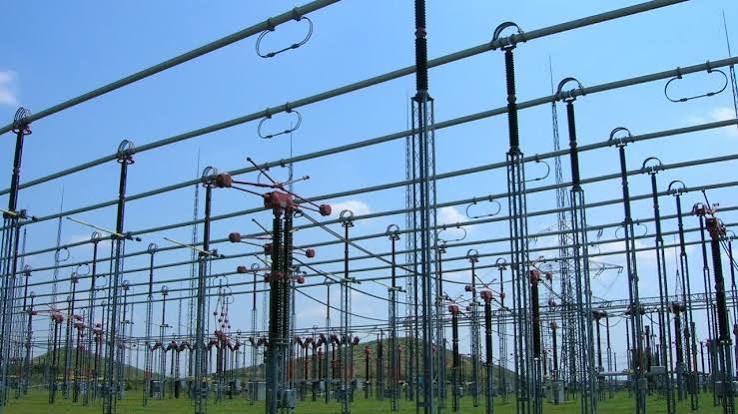
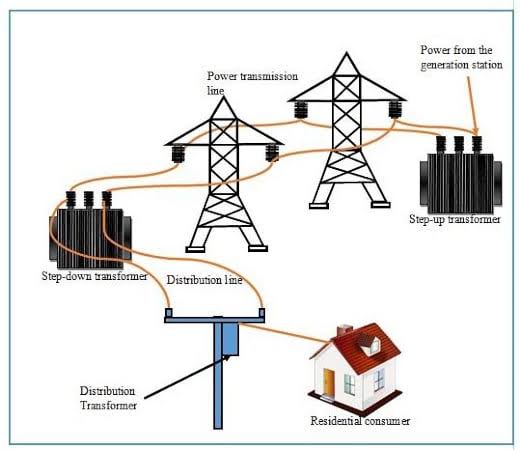
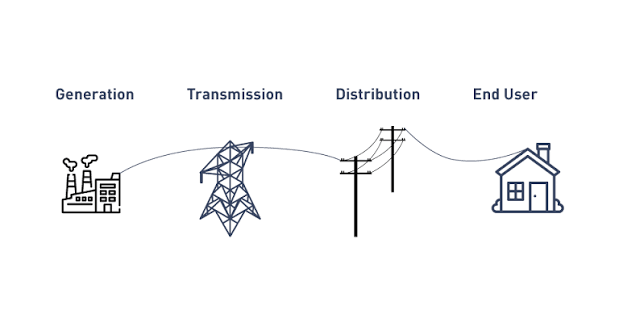
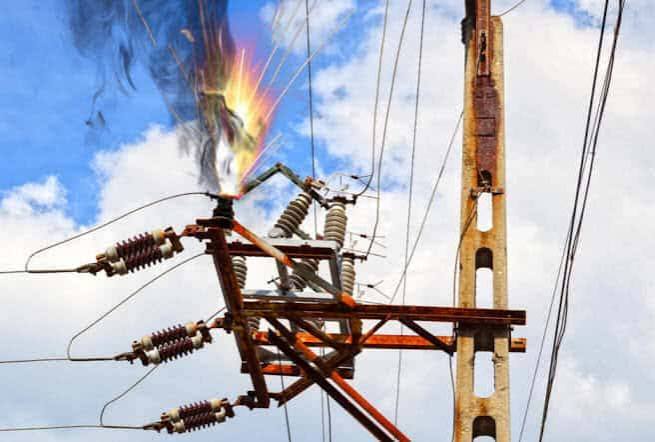
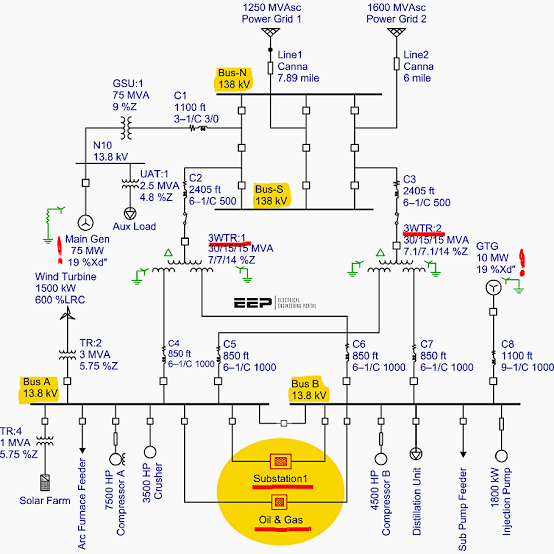
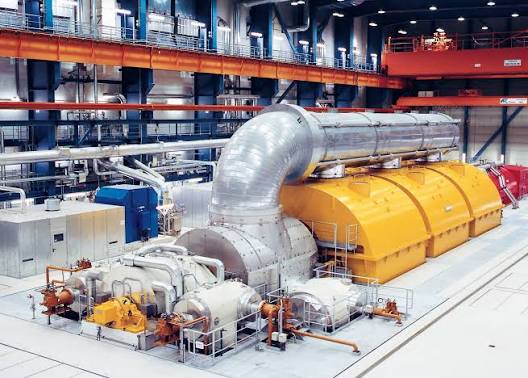
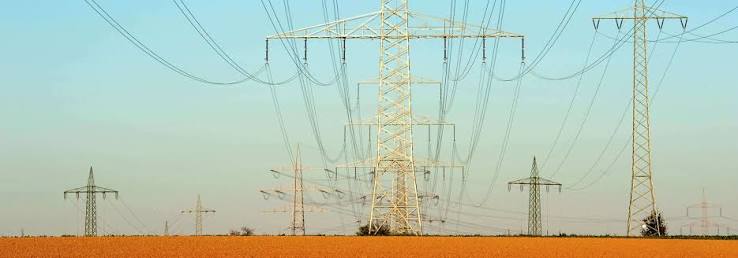
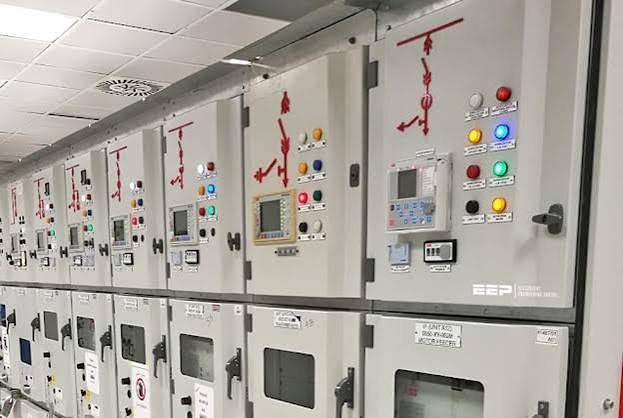
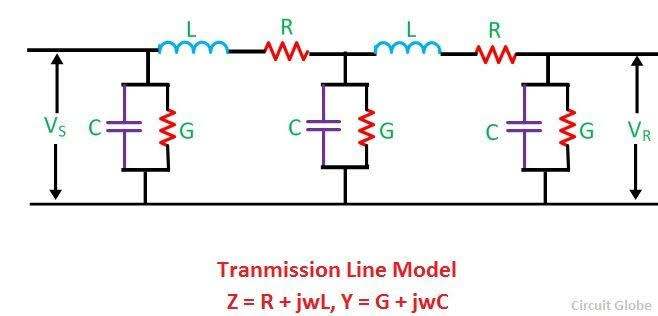
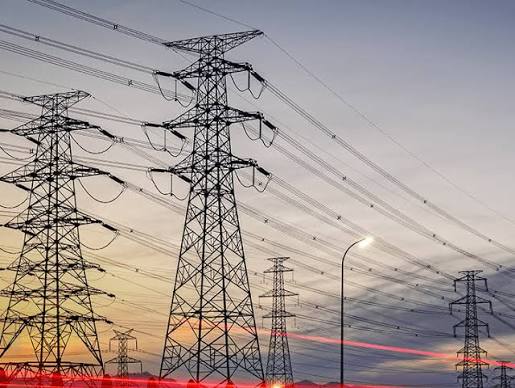
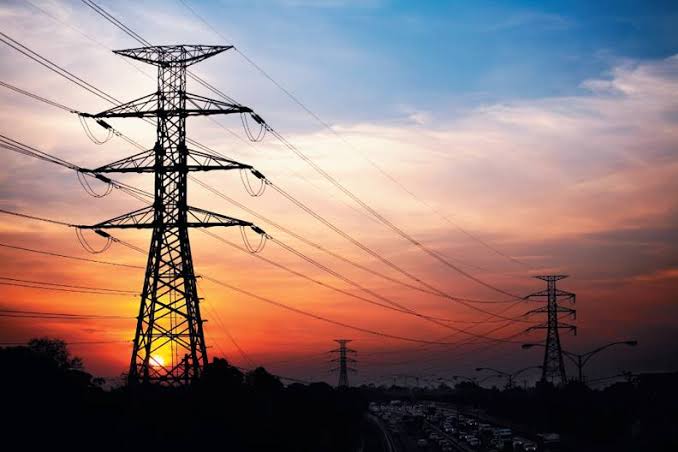
An electrical power system is a large-scale network that generates, transmits, and distributes electricity from power plants to end-users. It consists of four main stages: generation (creating power), transmission (moving bulk electricity across long distances), subtransmission, and distribution (delivering safe voltage to homes and businesses).

EMIElectrical Measurements & Instrumentation
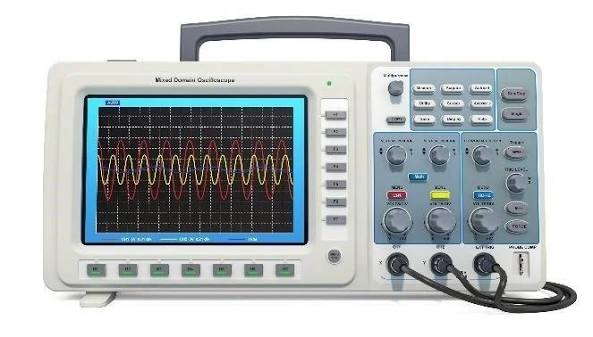
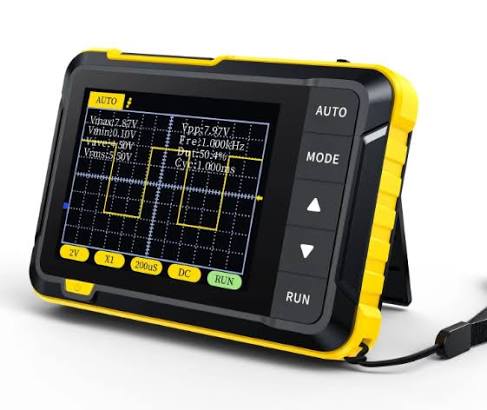
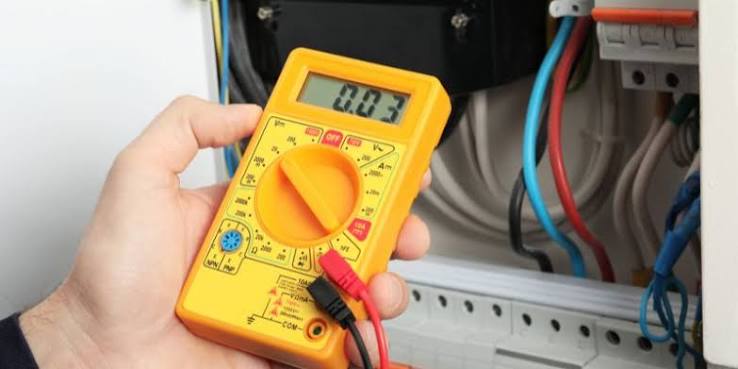
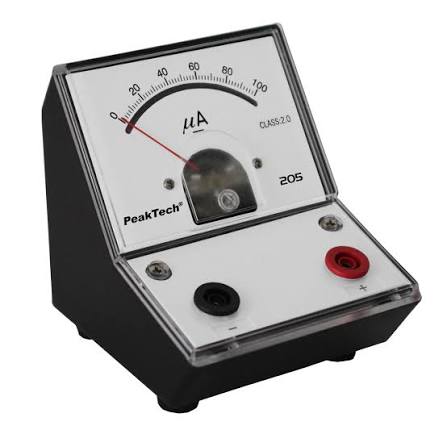
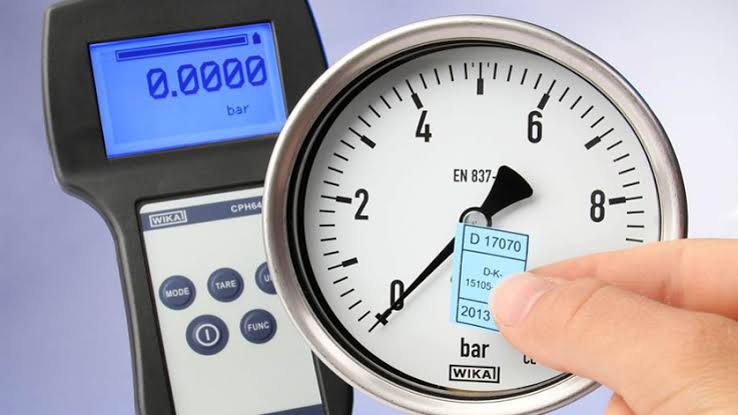
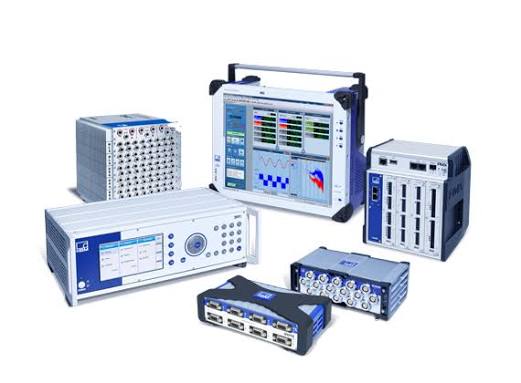
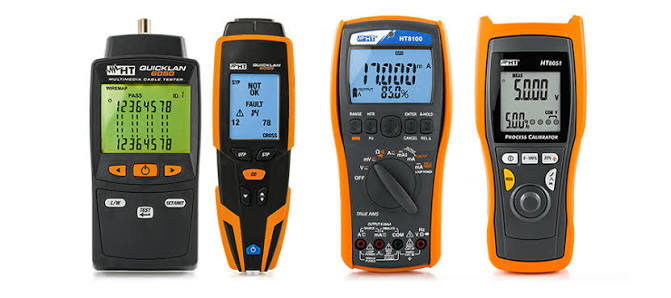
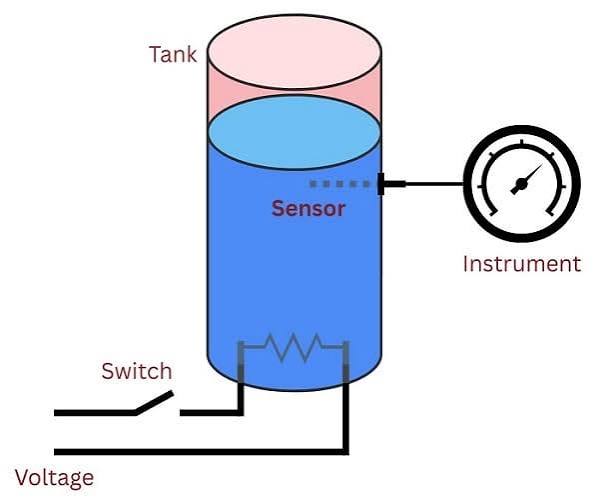
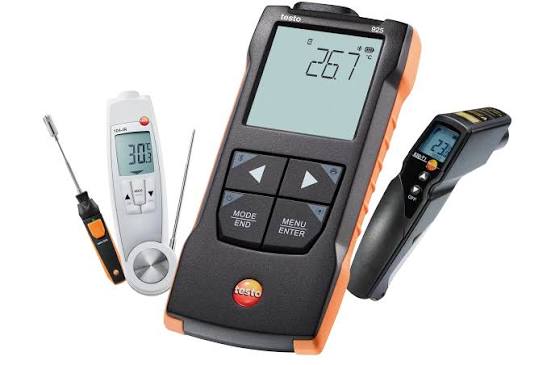
Electrical measuring instruments are devices used to quantify parameters like voltage, current, power, and resistance. They are divided into analog (moving pointer) and digital (numeric screen) types. Common tools include ammeters (current), voltmeters (voltage), ohmmeters (resistance), and multimeters (all three).
EMFTElectromagnetic Fields
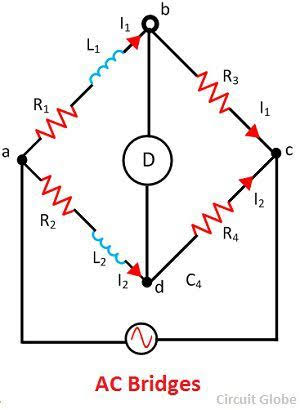
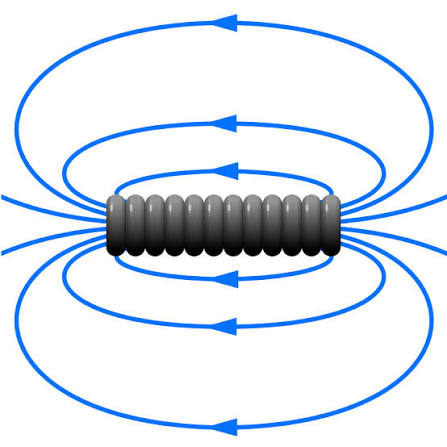
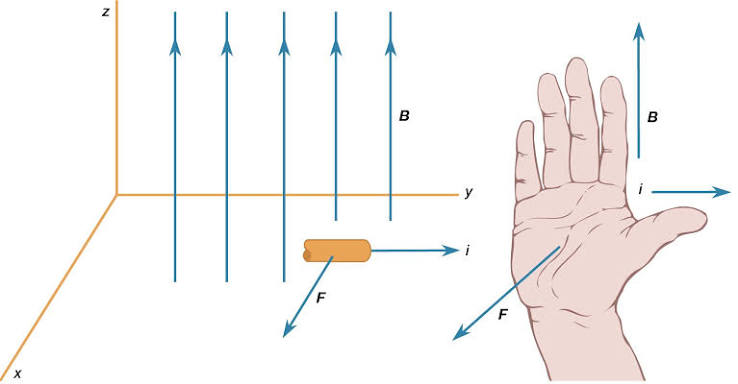
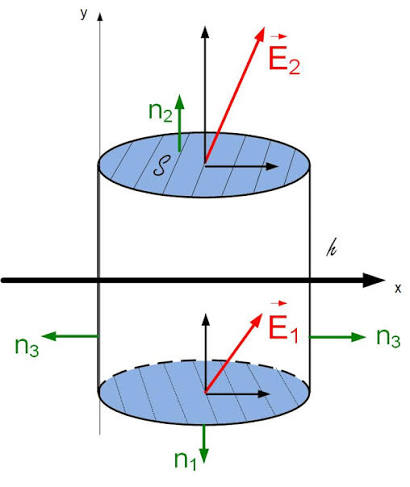
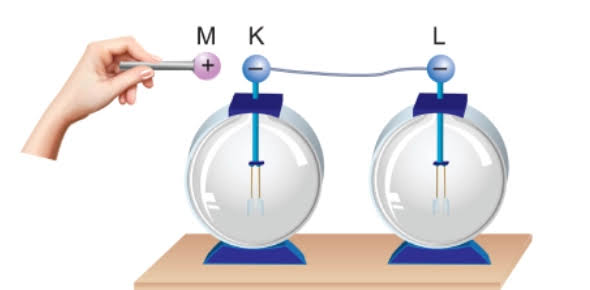
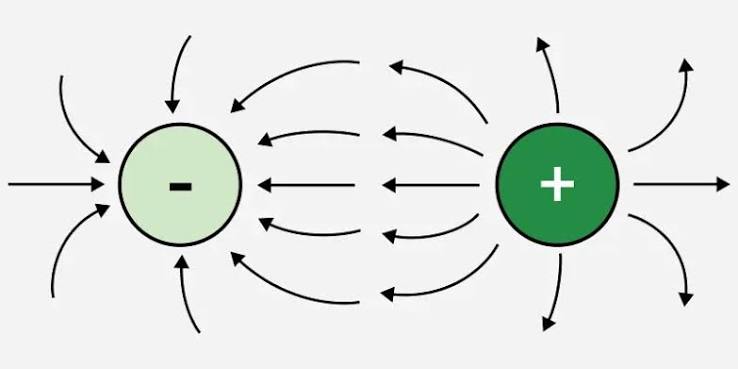
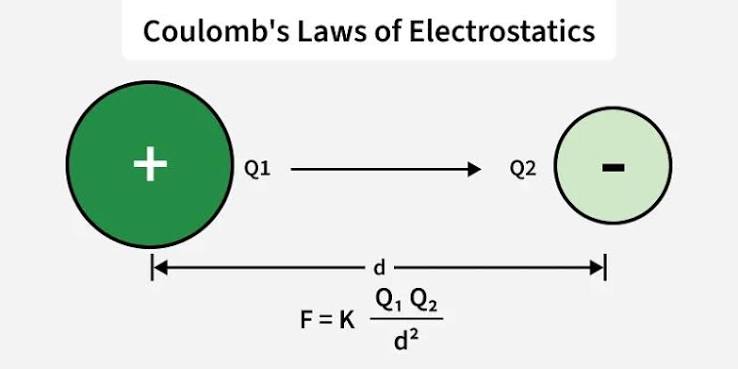
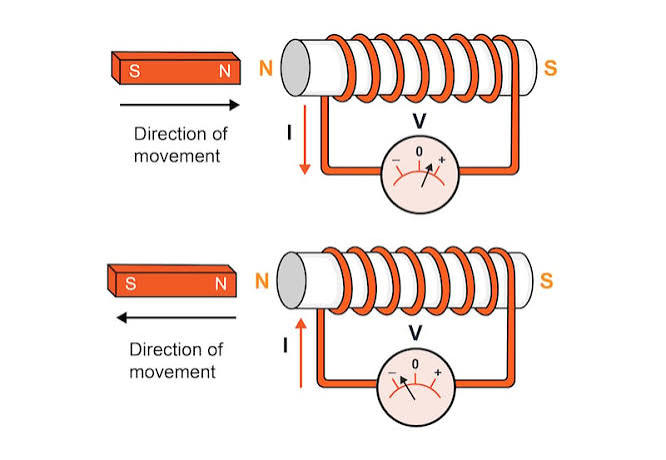
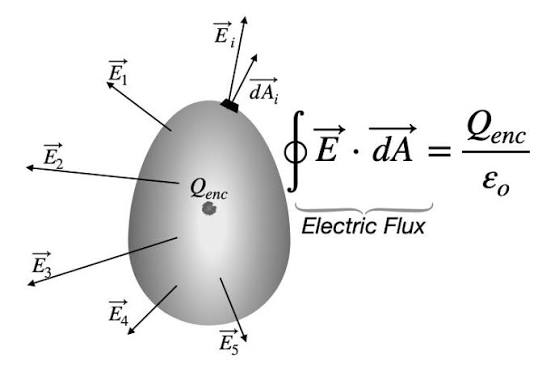
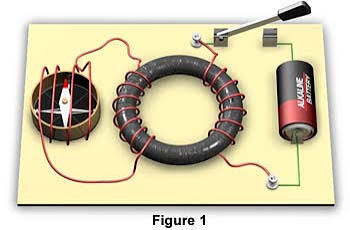
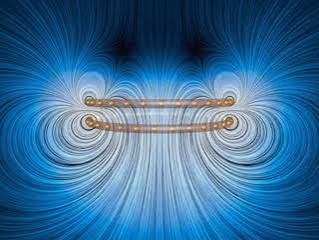
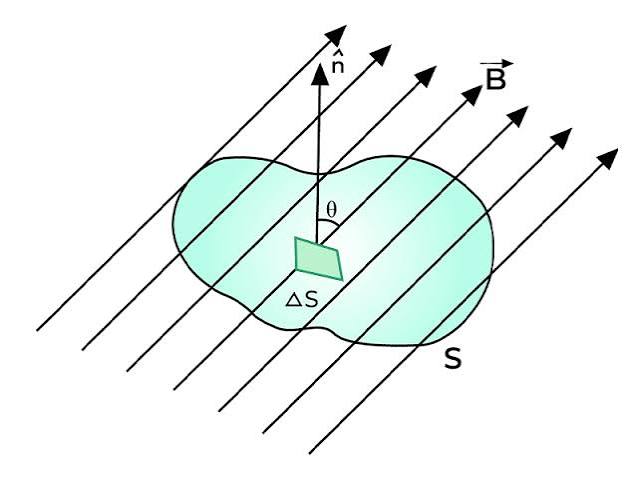
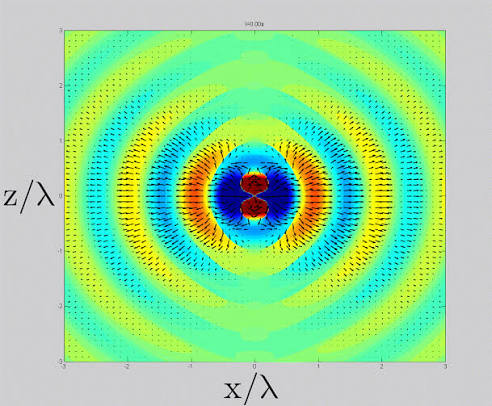
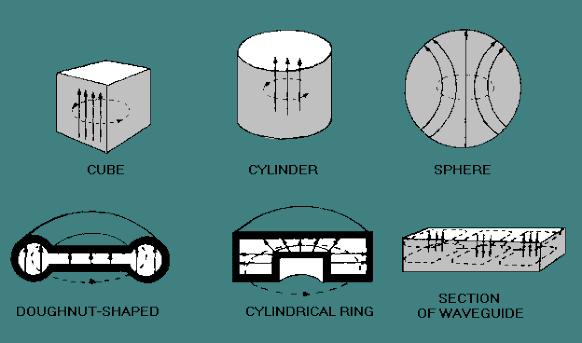
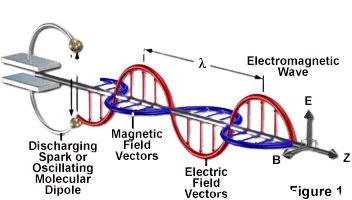
An electromagnetic field (EMF) is a physical field produced by moving electrically charged particles. It combines invisible electric fields and magnetic fields, which propagate through space as electromagnetic waves (including radio waves, visible light, and X-rays). The behavior of EMFs is universally governed by James Clerk Maxwell's four foundational equations.
CMSCommunication Systems
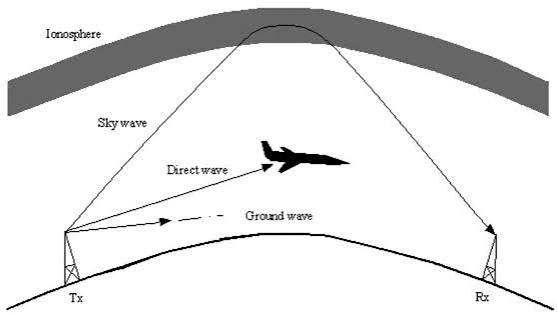
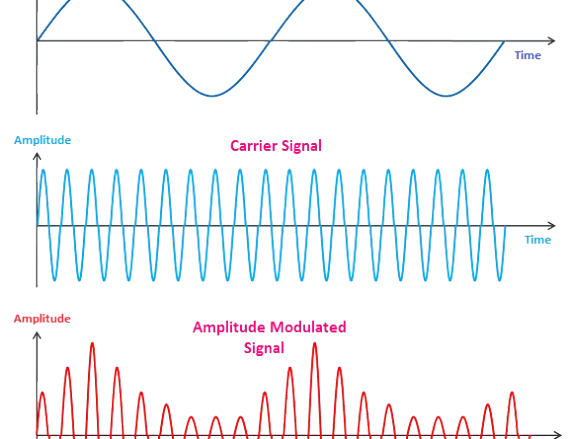
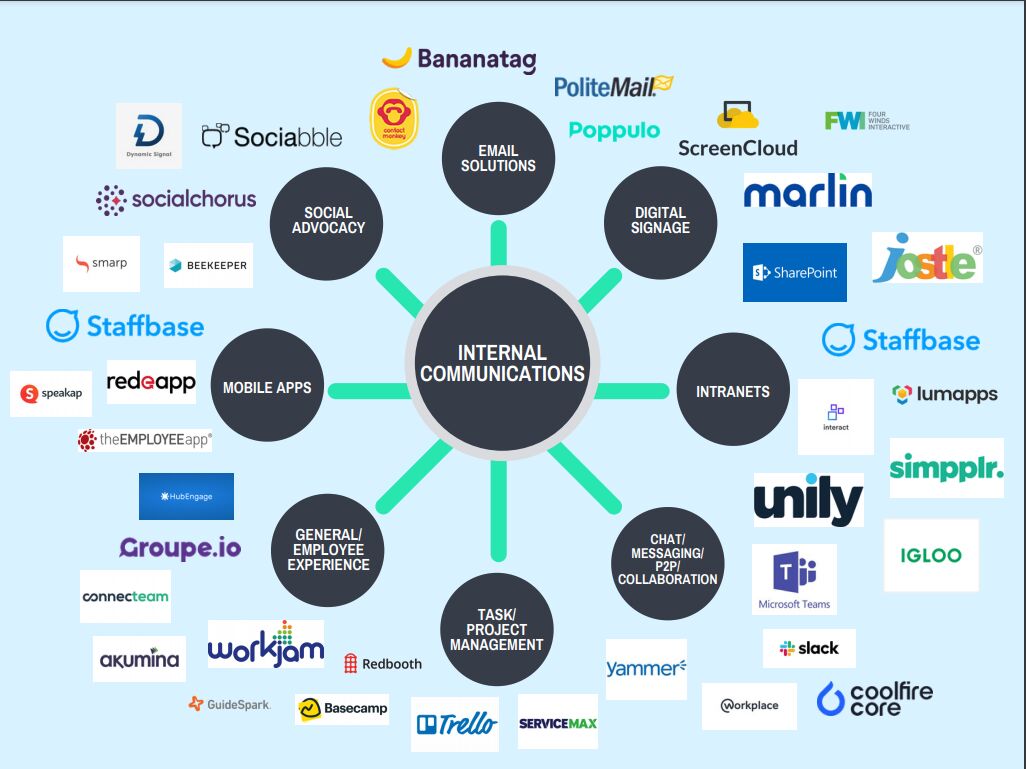
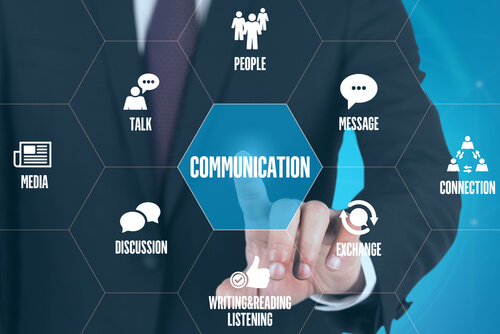
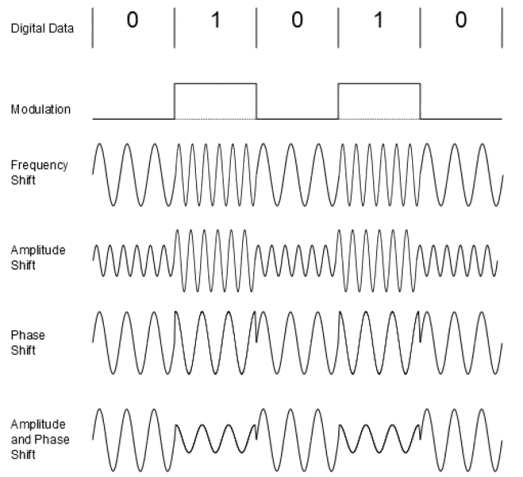
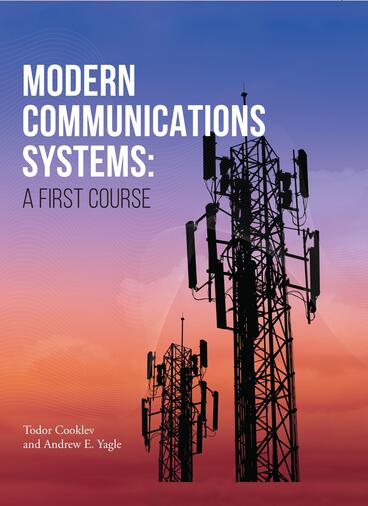
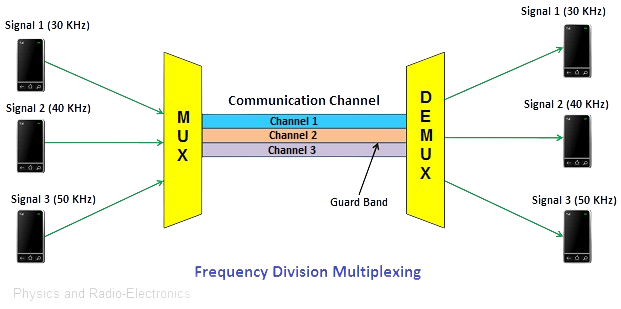
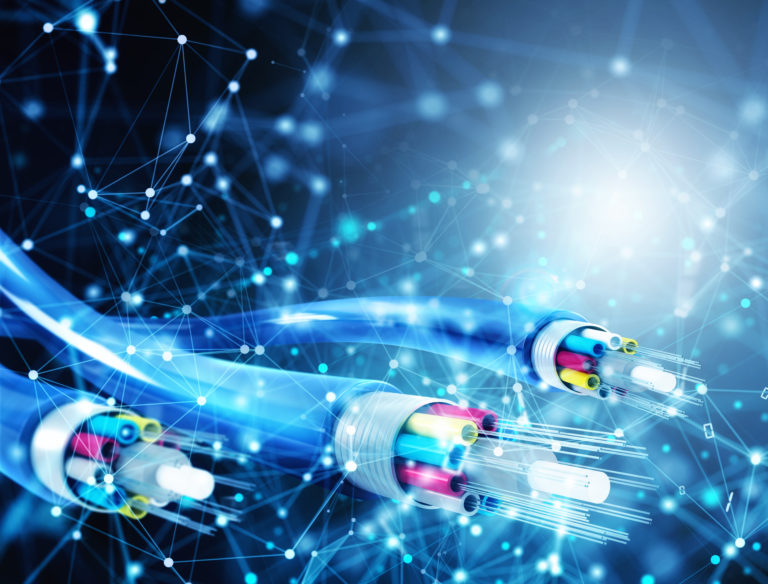
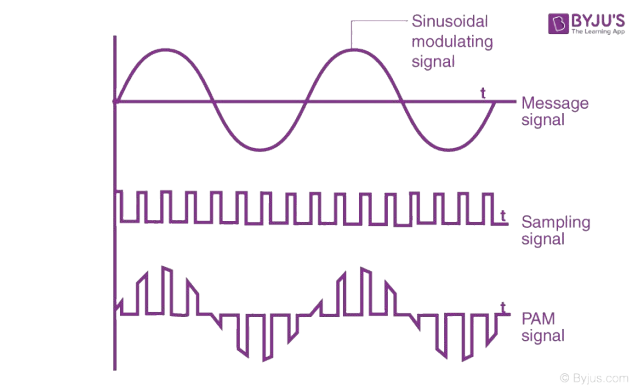
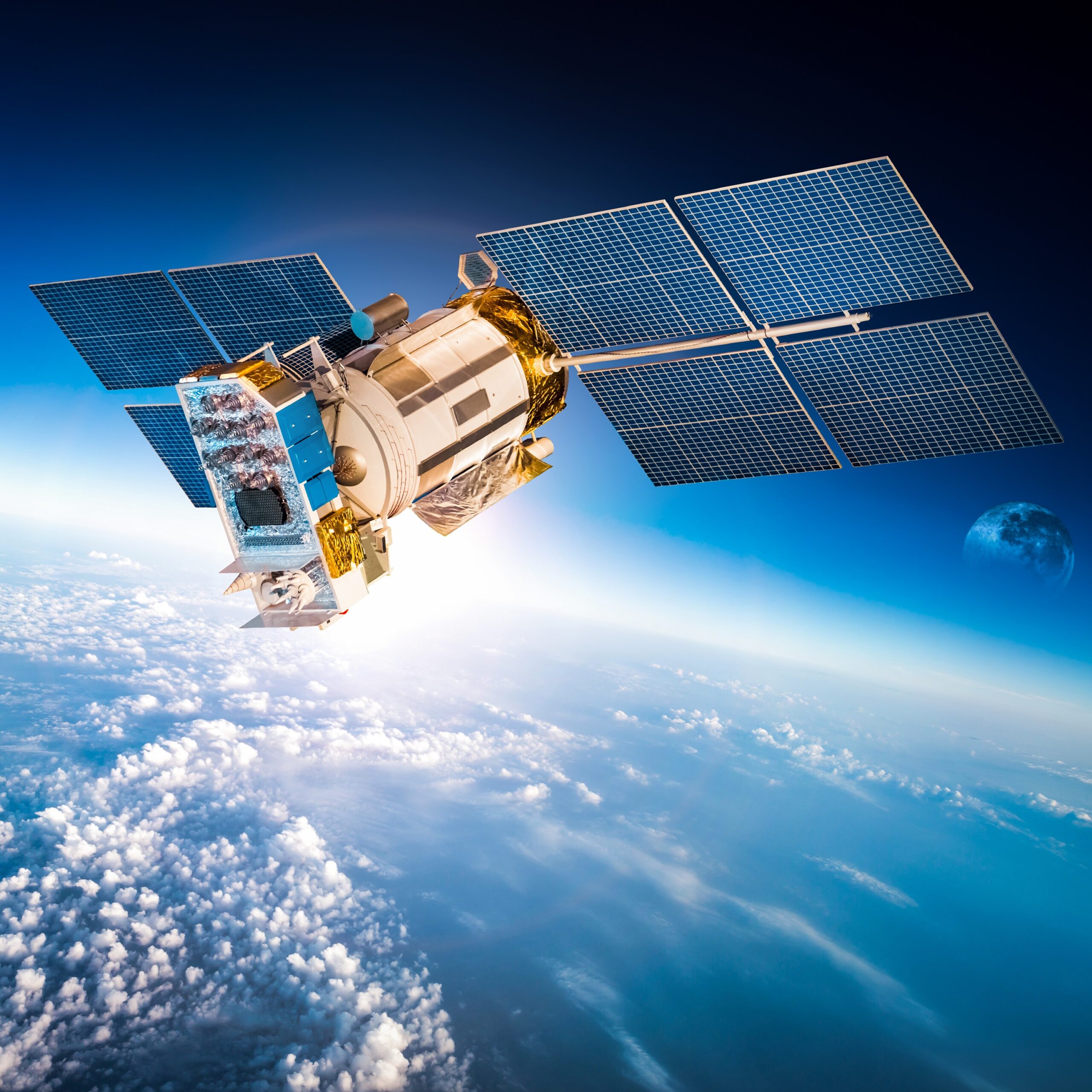
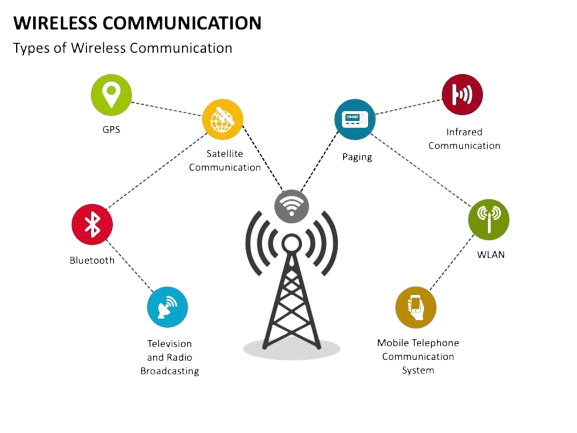
A communication system is a network of hardware and software designed to transmit information, such as voice, video, or data, from a source to a destination.
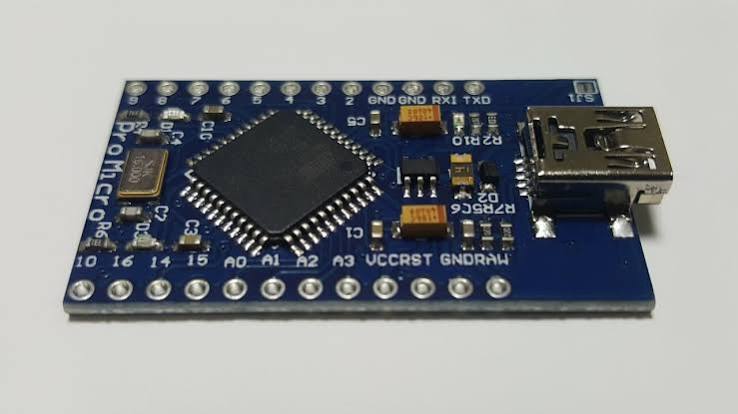
MCUMicroprocessors & Microcontrollers
A microprocessor is the CPU of a computer built onto a single chip. It requires external memory and peripherals (like RAM and I/O ports) to function. A microcontroller is a compact, self-contained computer on a single chip, combining the CPU, memory, and peripherals.
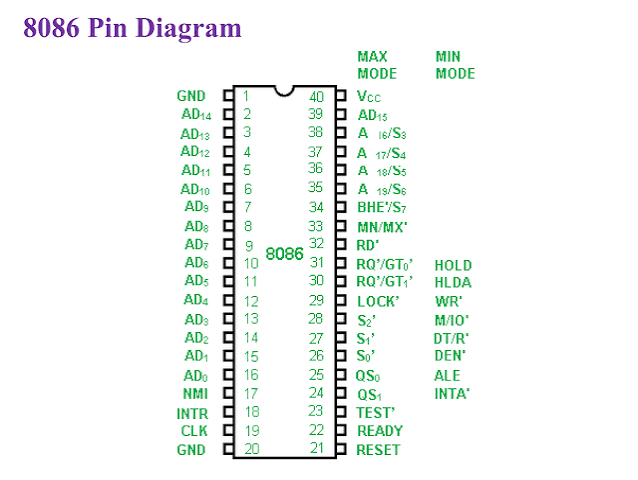
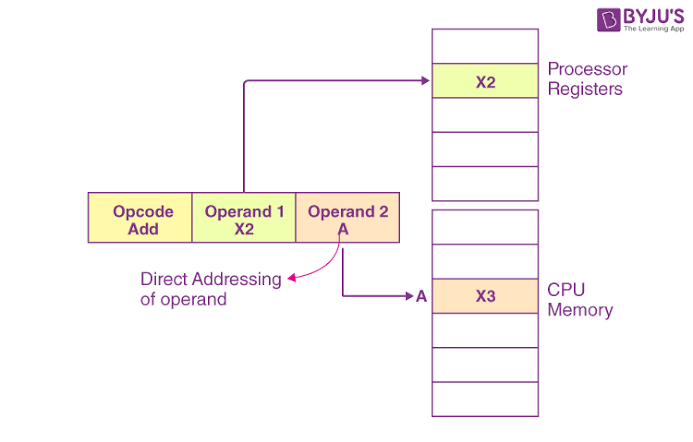
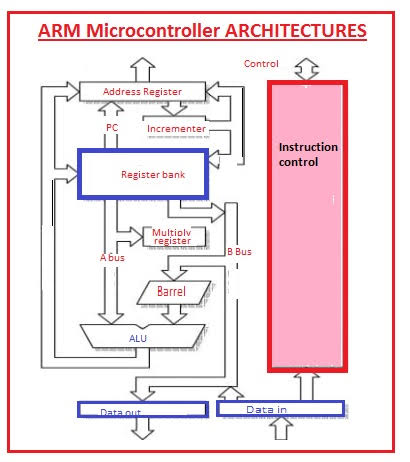
RESRenewable Energy Systems
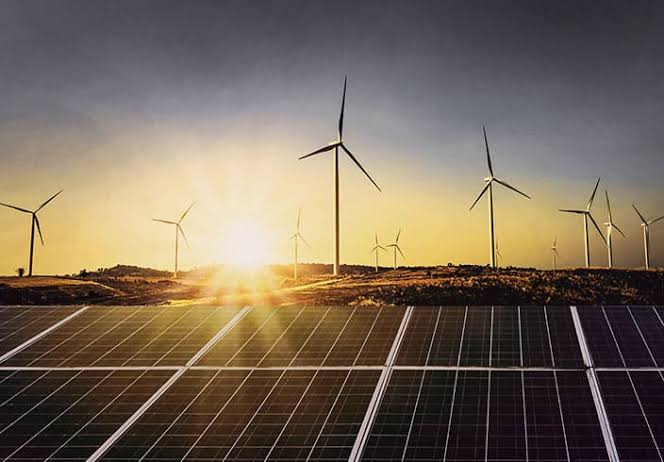
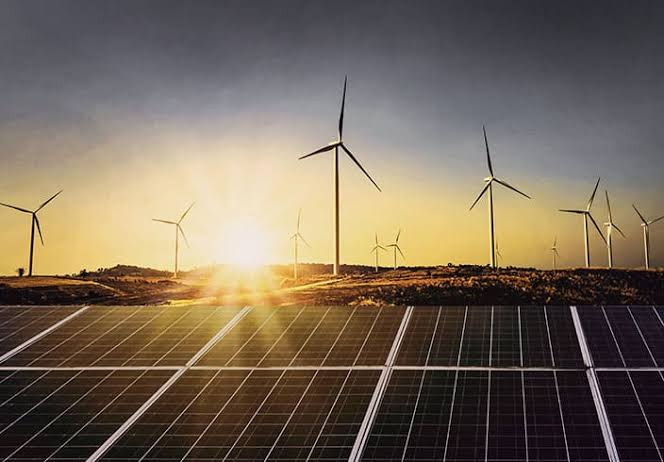
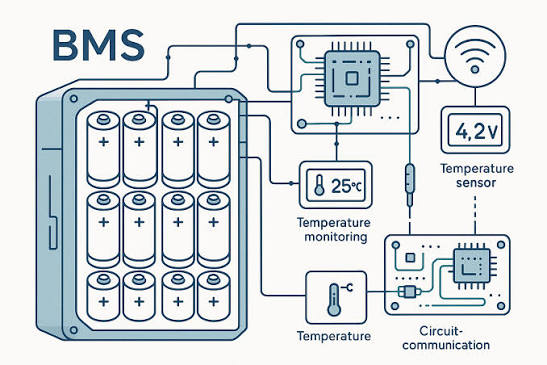
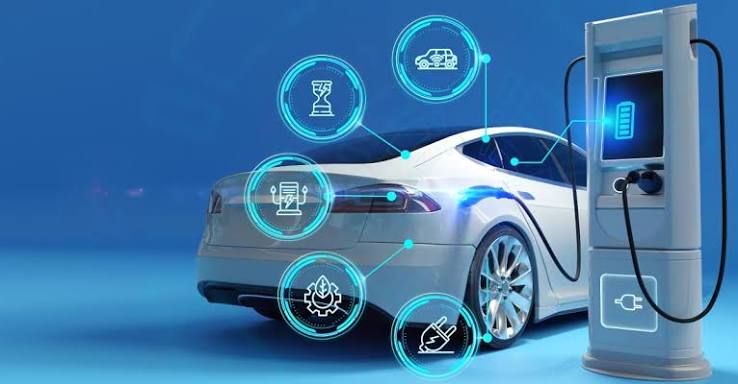
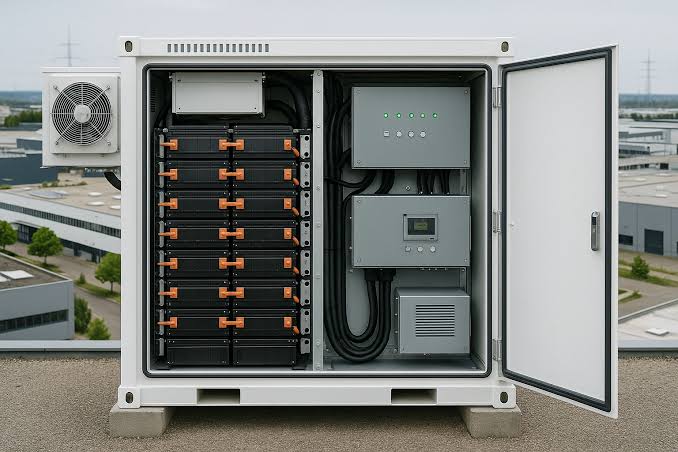
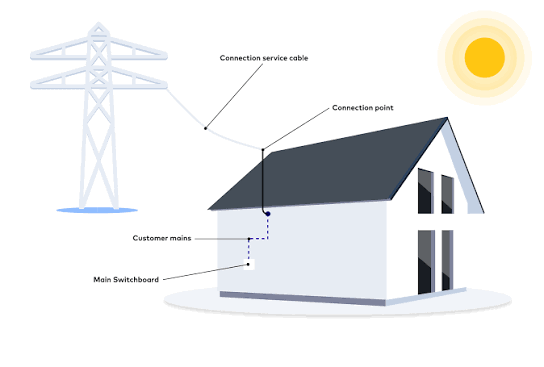
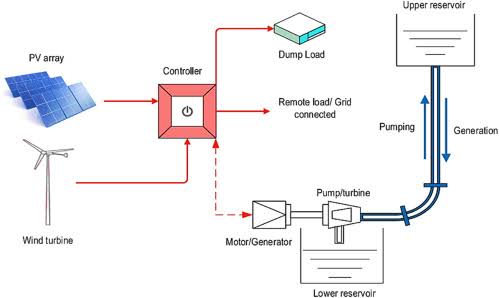
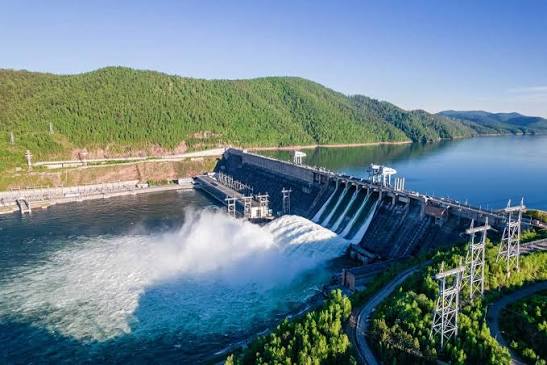
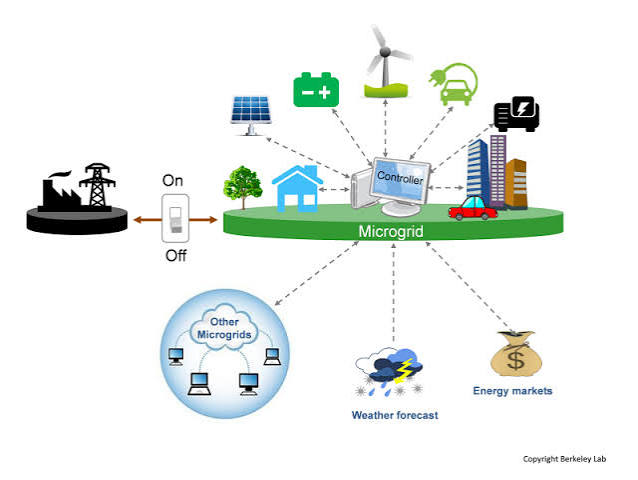
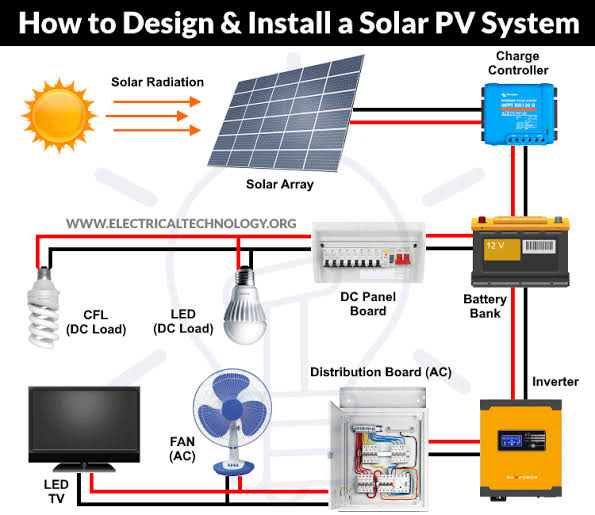
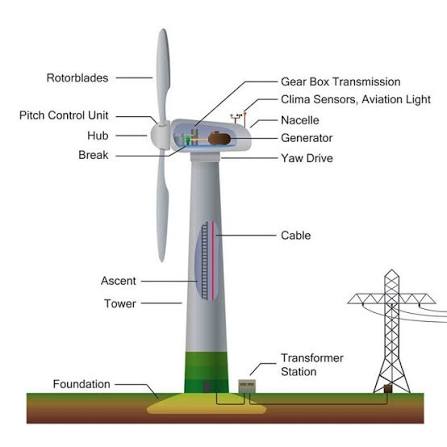
Renewable energy systems convert naturally replenished resources like sunlight, wind, and water into usable electricity or heat. To function efficiently, they pair generation hardware (such as solar panels or wind turbines) with inverters, control software, and storage devices like lithium-ion batteries.
DSPDigital Signal Processing
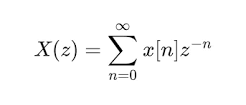
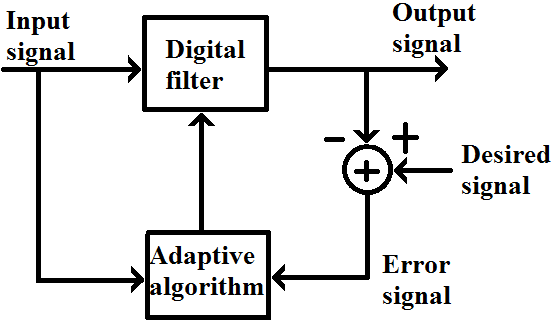
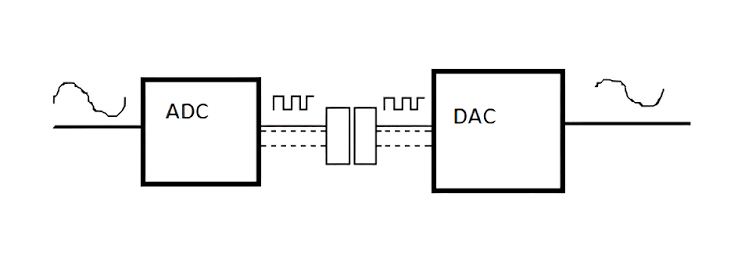
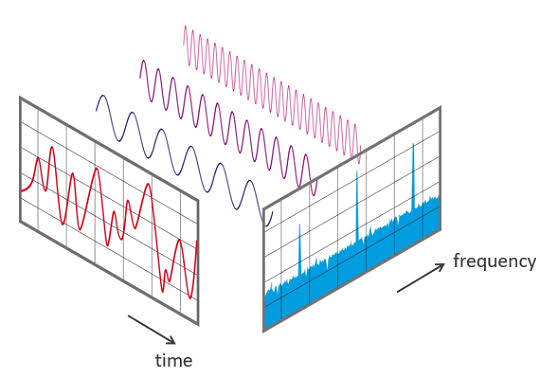
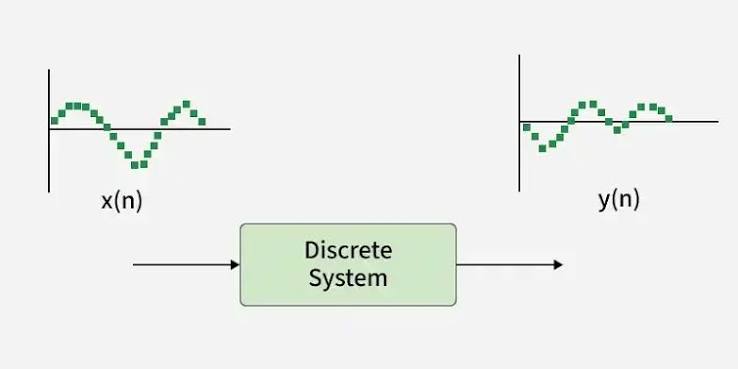
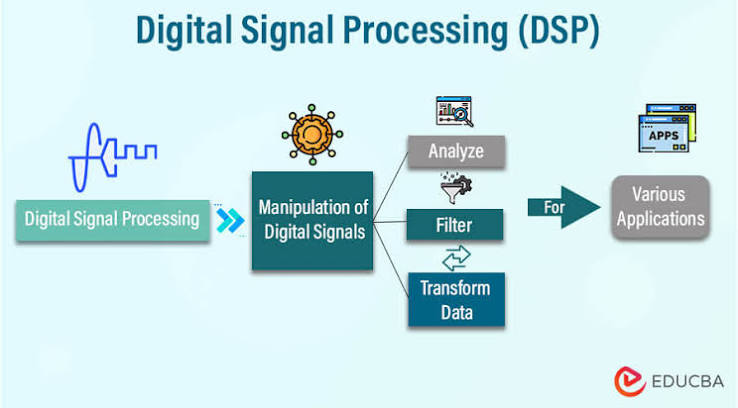
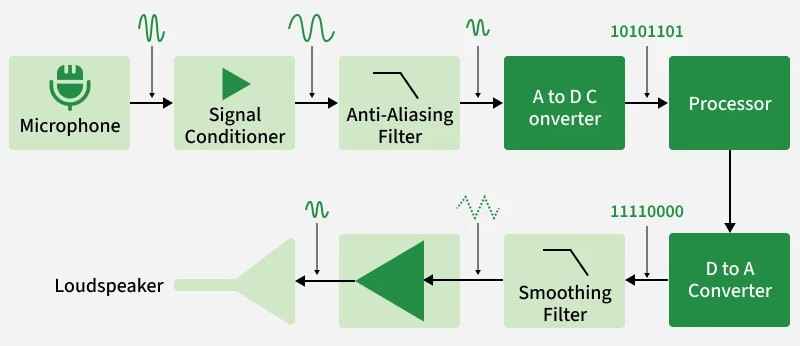
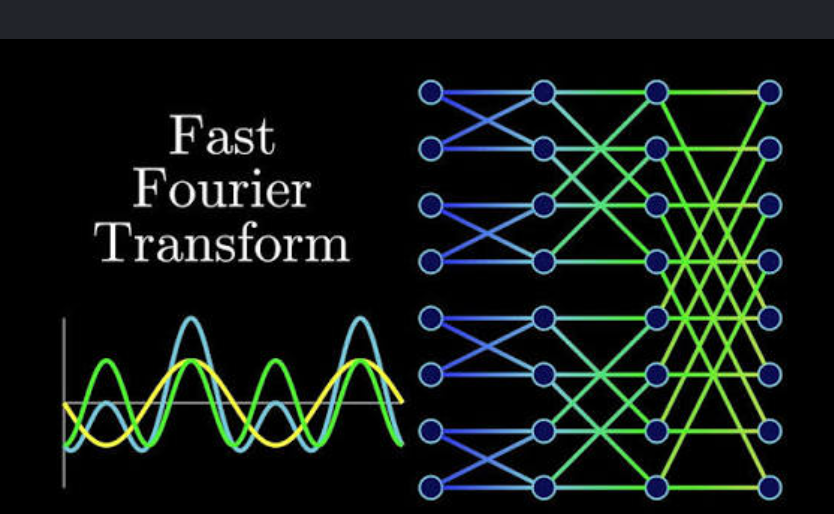
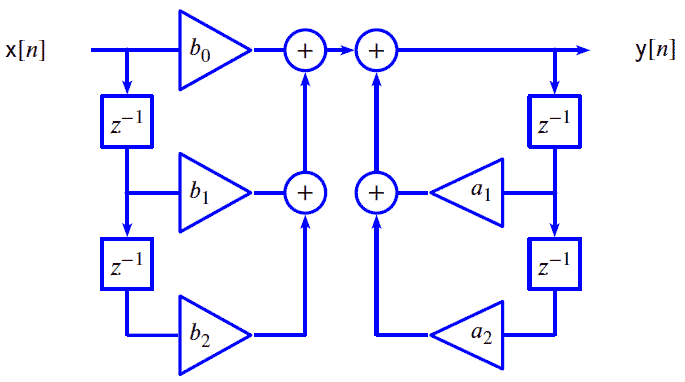
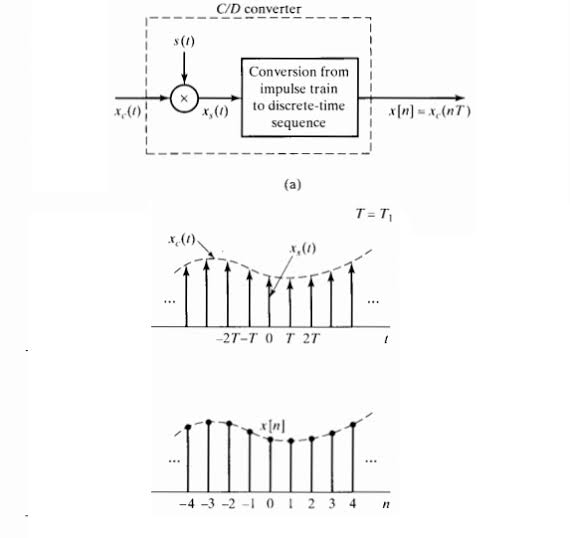
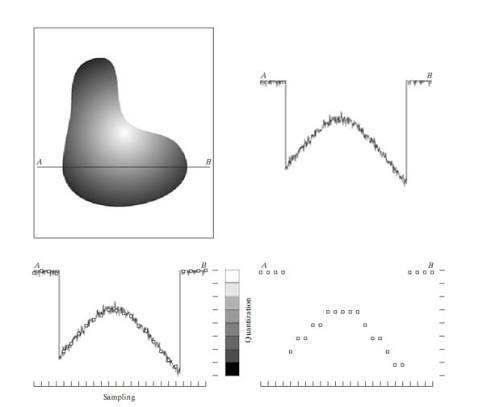
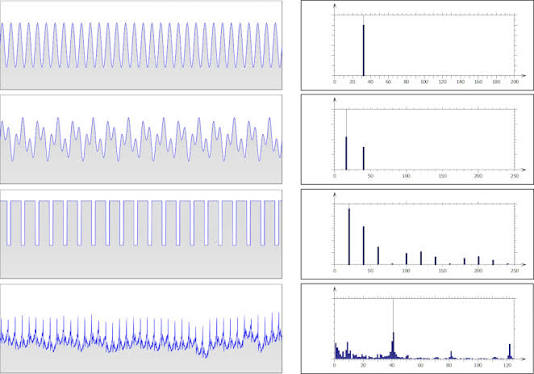
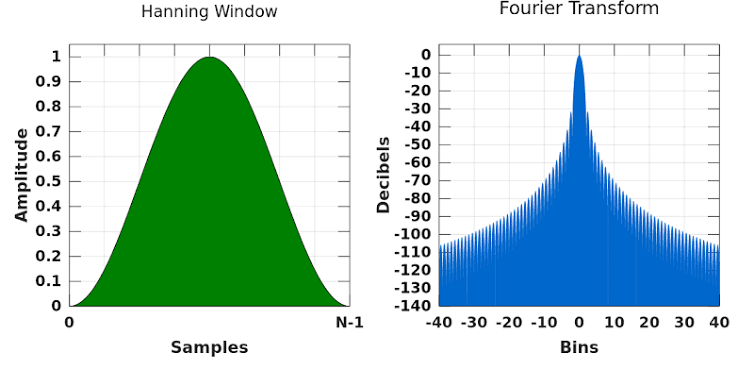
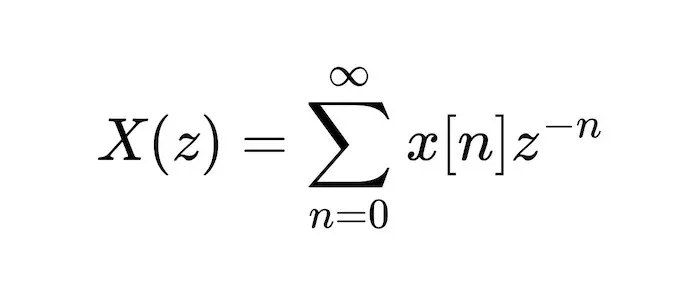
Digital Signal Processing (DSP) uses algorithms and computers to manipulate digitized signals, such as audio, video, and sensor data. It involves converting real-world analog signals into digital data via sampling and quantization, processing them using mathematical transforms like the FFT, and converting them back into analog for practical applications.
ITInformation Technology
Information Technology (IT) Fundamentals refers to the foundational knowledge required to understand, operate, and troubleshoot computer systems, software, networks, and databases. It serves as the bedrock for careers in tech and helps professionals safely navigate today's digital landscapes.
OTHERNot yet assigned a subject
Assign these to a subject from the admin dashboard.